Crossword Puzzle 05/13/26
Credit for answers and questions: Colleen Frank
Note: Some questions have hints to help you solve them. To view the hint, click on the blue box at the end of the question.
Credit for answers and questions: Colleen Frank
Note: Some questions have hints to help you solve them. To view the hint, click on the blue box at the end of the question.
Credit for answers and questions: Colleen Frank
Note: Some questions have hints to help you solve them. To view the hint, click on the blue box at the end of the question.
Author: David Markopoulos | Living Education
Mr. Jacob Hall is a pastor serving in the Edmonton, Alberta area. In his recent forum message to the Living Education-Charlotte students, Mr. Hall gave helpful advice on mastering the fundamental elements of our calling.
Mr. Hall was a former student of Living University, and remembered his time as a student. He reminded the current students that what they are doing now is setting a foundation that has the potential to change the trajectory of their lives. But it’s important to remember that what will keep us on the right path is maintaining a personal relationship with God.
How can we make sure we’re maintaining that personal relationship with God? Mr. Hall covered four fundamental tools to do so, and encouraged the students to evaluate how one is doing in each area personally.
Bible Study
Mr. Hall reminded the students that it’s important to prioritize studying our Bible, and to strive to read it every day. John 6:57 tells us: “As the living Father sent Me, and I live because of the Father, so he who feeds on Me will live because of Me.” In our Christian walk, we learn more about Christ and the Father through the inspired writings of the Bible, allowing us to develop a deeper understanding and appreciation for who They are.
Mr. Hall also pointed out that there is a great deal of uncertainty in life. We’re faced with hard decisions, and paths whose ends we can’t always see. But God’s word illuminates our path and gives us a framework through which we can navigate life. Making a priority of intense Bible study is a critical key to developing and maintaining a deep, personal relationship with God, as well as understanding how and what to do when things are unclear.
Prayer
Prayer is another crucial tool—do we take advantage of it? Having 24/7 access to God the Father’s throne is a gift, and we should use this opportunity to directly communicate with Him. God wants a relationship with us, and building this habit of daily, consistent prayer is deeply important to developing that relationship. 1 Thessalonians 5:17 admonishes us to “pray without ceasing”—an instruction we should take to heart and learn to develop as a habit.
Meditation
The tool of meditation is another important contributor to our relationship with God. Taking the time to reflect and consider His ways, laws, and blessings, as well as the lessons you’ve learned is deeply important. In doing so, we learn to orient our minds toward the way He thinks, and we set a pattern of thinking like Him. Mr. Hall pointed out that in order to take on godly character, we have to put continual effort into right, godly thinking.
Fasting
Fasting is a way to humble ourselves and draw closer to God. James 4:6 states: “God resists the proud, but gives grace to the humble.” When we fast, we are allowing ourselves to become weak and rely on God, as well as eliminating distraction. It’s important to fast regularly and build a habit of humility before God.
Master the Fundamentals
If we master the fundamental elements of our calling, we’re able to build on them and grow in our faith. Having a firm foundation in our faith and our relationship with God requires consistent effort, and making sure we don’t neglect the basics.

David Markopoulos is a Living Education alumnus from the 2023-2025 school years. Originally hailing from Chicago, he currently works for the Living Education program.
Credit for answers and questions: Colleen Frank
Note: Some questions have hints to help you solve them. To view the hint, click on the blue box at the end of the question.
Credit for answers and questions: Colleen Frank
Note: Some questions have hints to help you solve them. To view the hint, click on the blue box at the end of the question.
Author: Hevian Ponce de León Morales | Living Education
Estas publicaciones resumen los foros a los que nuestros estudiantes de Living Education-Charlotte asisten cada semana.
El señor Michael DeSimone, gerente de medios digitales y radiodifusión de la Iglesia
impartió un mensaje para los estudiantes de Living Education-Charlotte sobre cómo
conseguir trabajo, compartiendo tres estrategias clave para obtener el trabajo que deseas. Las
estrategias que compartió pueden ser de gran ayuda para conseguir el empleo que buscas.
Cómo conseguir una entrevista
El señor DeSimone comenzó este foro explicando cómo obtener una entrevista de trabajo.
La mayoría de las personas simplemente envían solicitudes masivas a las ofertas que ven;
esta es una manera ineficaz de asegurar una entrevista, y aún menos para conseguir el
empleo. El señor DeSimone incentiva a los estudiantes a orar e investigar las compañías en
las que ellos estén interesados en laborar en lugar de limitarse a consultar las ofertas.
Además, no deben esperar a que se desocupe una vacante en la compañía: ¡El cielo es el
límite!
Michael DeSimone dio instrucciones específicas para que tu currículum destaque entre los
demás y no sea descartado. Debes enviar una carta de introducción a la empresa mencionando tu nombre al menos 3
veces para que te reconozcan. Como seguimiento, también debes enviar tu carta de
presentación y tu currículum. Asegúrate de enviarlos a alguien que pueda tomar decisiones de
contratación o a alguien que pueda remitirlos a la persona adecuada.
Finalmente, haz un seguimiento con una llamada telefónica. Sé persistente y no te conformes
con dejar un mensaje de voz. En su lugar, haz todo lo posible para hacer el seguimiento
directamente por llamada.
¡Domina la entrevista!
Una vez que tengas la entrevista, el Sr. DeSimone aconsejó a los estudiantes a no improvisar.
Preséntese de 5 a 10 minutos más temprano, bien arreglados y vestidos apropiadamente para
la ocasión. La recomendación es vestir un poco más formal de lo que corresponde a las expectativas del
trabajo y su empleador, uno o dos niveles más alto de lo esperado.
Asimismo, invitó a los estudiantes a estar preparados para cualquier pregunta y practicar con
entrevistas de simulación previamente. Es importante conocerse a uno mismo, entender sus
fortalezas y debilidades. Prepárese para responder preguntas acerca de usted mismo y sea
honesto con el entrevistador.
Negociación de la remuneración
Si el entrevistador reconoce que puedes proveer valor a la empresa y está decidido a
contratarte, es importante moderar tu entusiasmo antes de negociar el salario. No hables de
dinero demasiado temprano o demasiado tarde en este juego. Si tu entrevistador está decidido
a contratarte, querrá mantener la posibilidad de hacerlo. Esto significa que existe una menor
probabilidad de rebajar un salario que, en teoría, es conveniente para ambas partes. No hables
del sueldo hasta que sepas que ya tienes el trabajo en la bolsa, y que ambos lo desean así.
Estos principios importantes son herramientas muy útiles para conseguir una entrevista,
superarla con éxito y comprender los detalles de la remuneración. El Sr. Michael DeSimone
animó a los estudiantes antes de buscar empleo a ser persistentes y proactivos.

David Markopoulos is a Living Education alumnus from the 2023-2025 school years. Originally hailing from Chicago, he currently works for the Living Education program.
Author: David Markopoulos | Living Education
Credit for answers and questions: Colleen Frank
Note: Some questions have hints to help you solve them. To view the hint, click on the blue box at the end of the question.
Author: David Markopoulos | Living Education
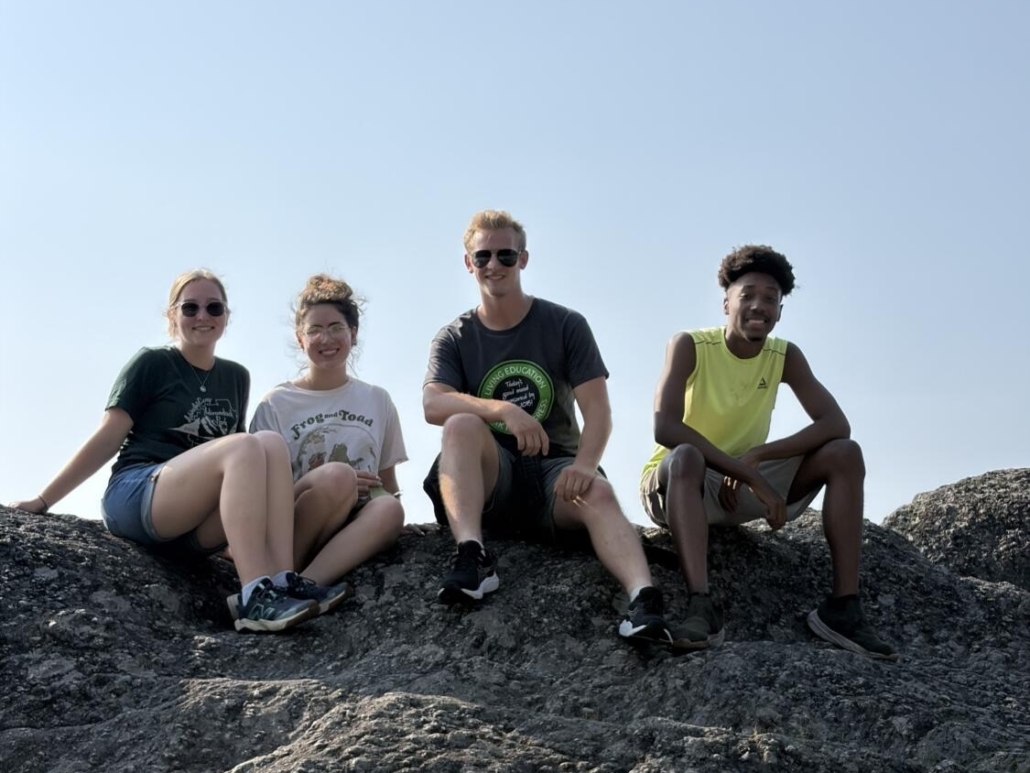
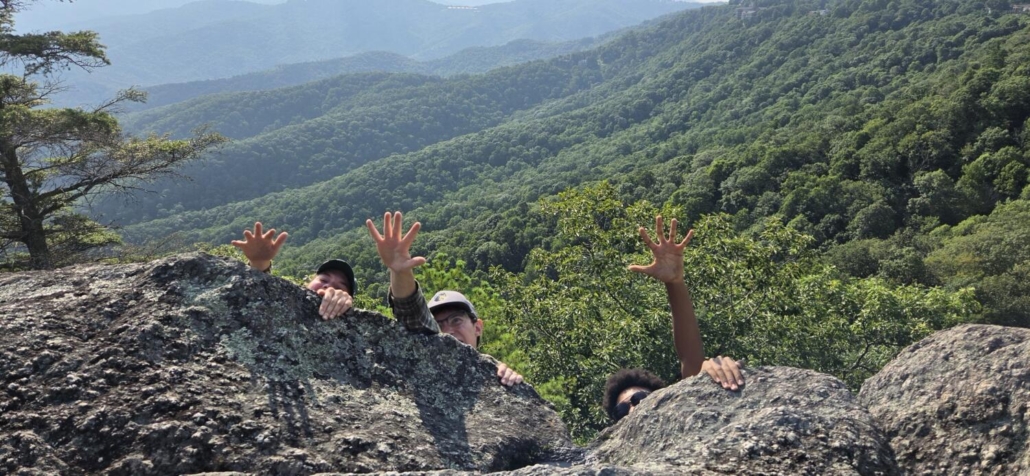
This past weekend, the male students of Living Education-Charlotte, joined by Mr. Jonathan McNair, set out on an exciting adventure in the mountains of North Carolina. The picturesque views of Linville Gorge set a beautiful background for our annual men’s backpacking trip. The purpose of these trips is to help our male students draw closer together as men, spend time in the great outdoors, and learn essential survival skills.
Setting out from the dorms, the intrepid crew of adventurers ascended a steep uphill trail, took a pre-packed lunch overlooking the scenic views of the gorge near the top of the ridge, and ultimately descended toward a clearing where we camped for the night. After an eight-mile day, we were glad for an early dinner and the chance to enjoy the evening before heading to bed. The next day, despite blustery winds, the sun came out, setting a warm tone for the day as we retraced our steps and ultimately made our way back to the cars—and civilization! This year’s trip helped our male students build basic camping skills, gave them the chance to grow closer together as brothers, and provided lasting, enjoyable memories in the great outdoors.


David Markopoulos is a Living Education alumnus from the 2023-2025 school years. Originally hailing from Chicago, he currently works for the Living Education program.
Author: Katelyn Wissinger| Student, Living Education – Charlotte, 2025-26
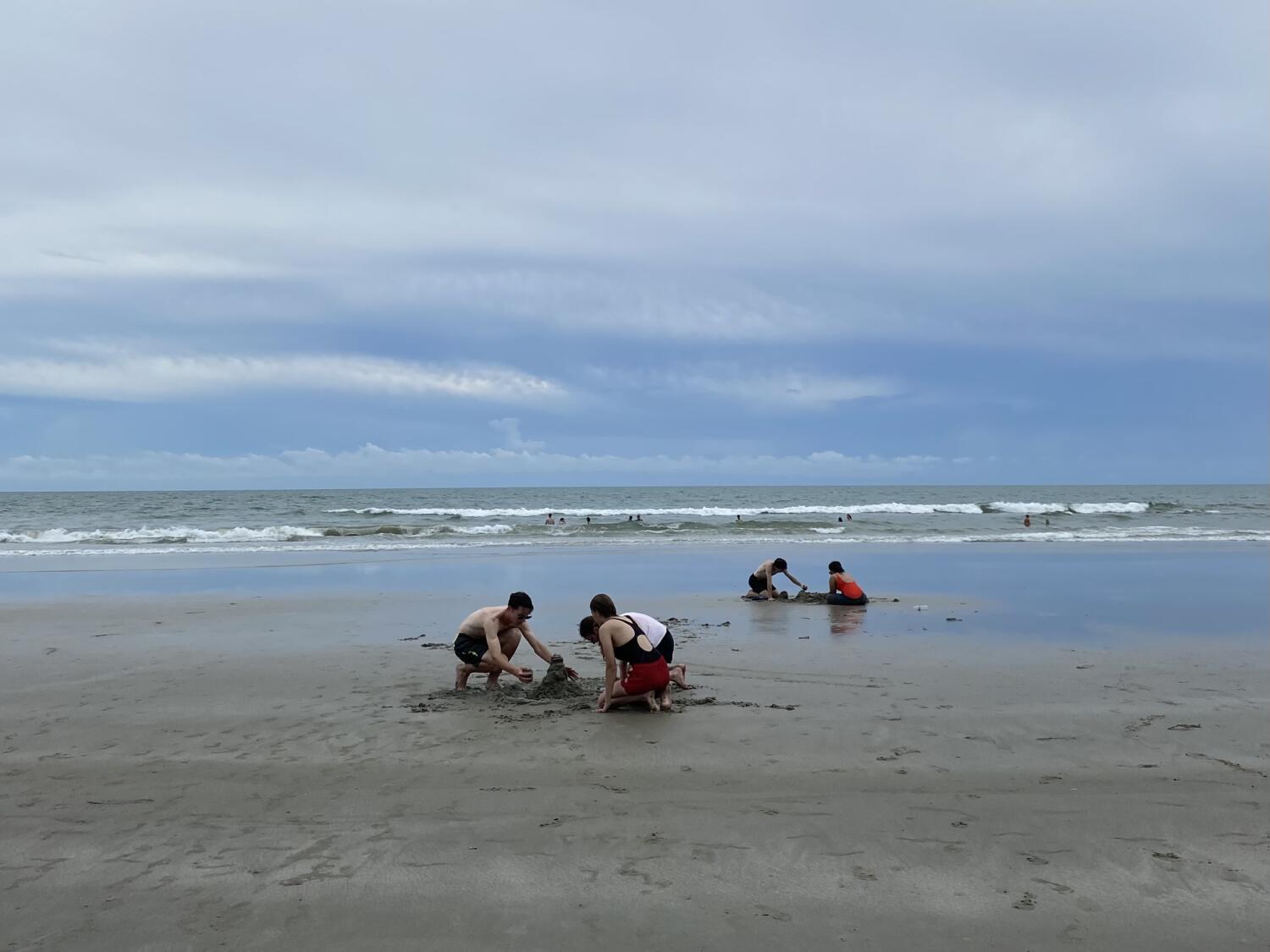
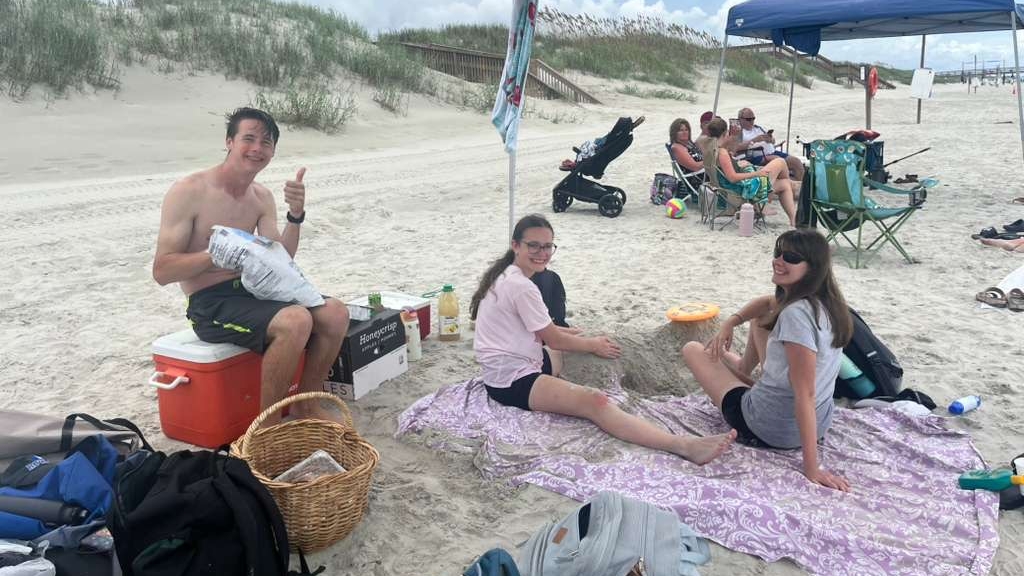
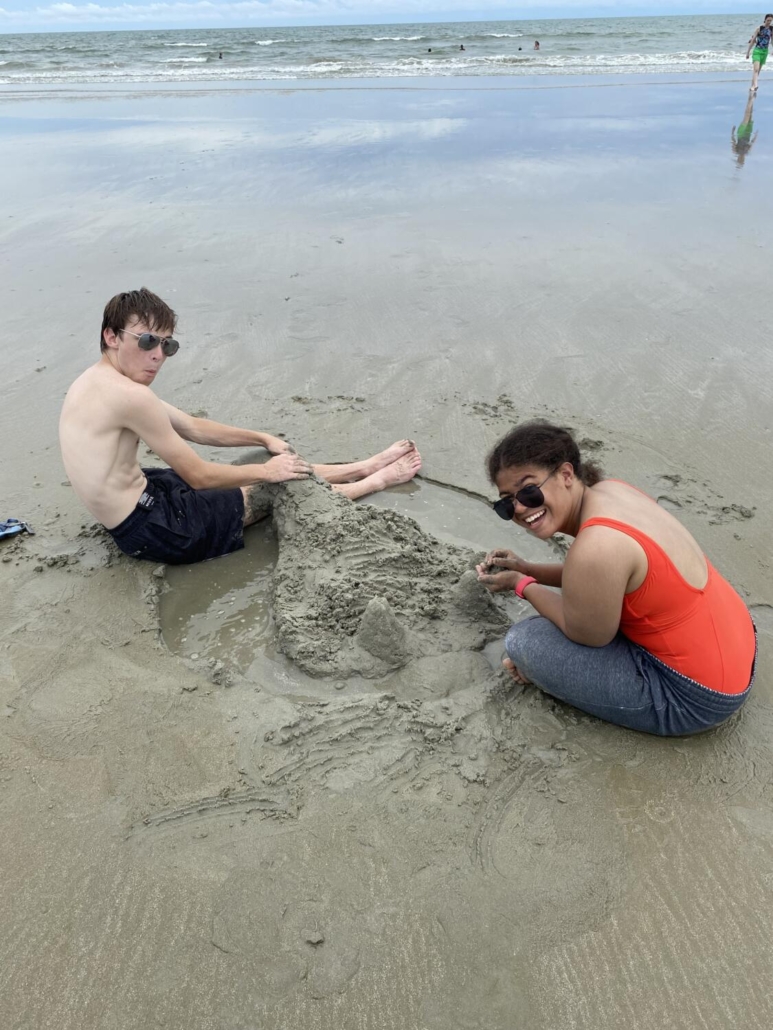
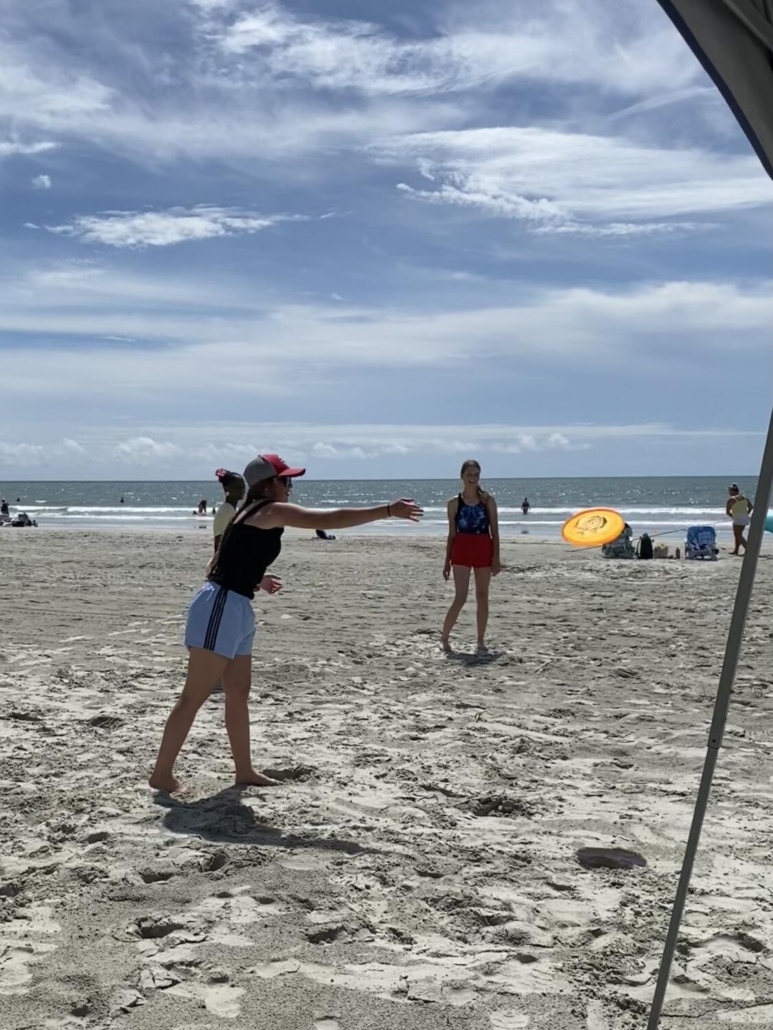
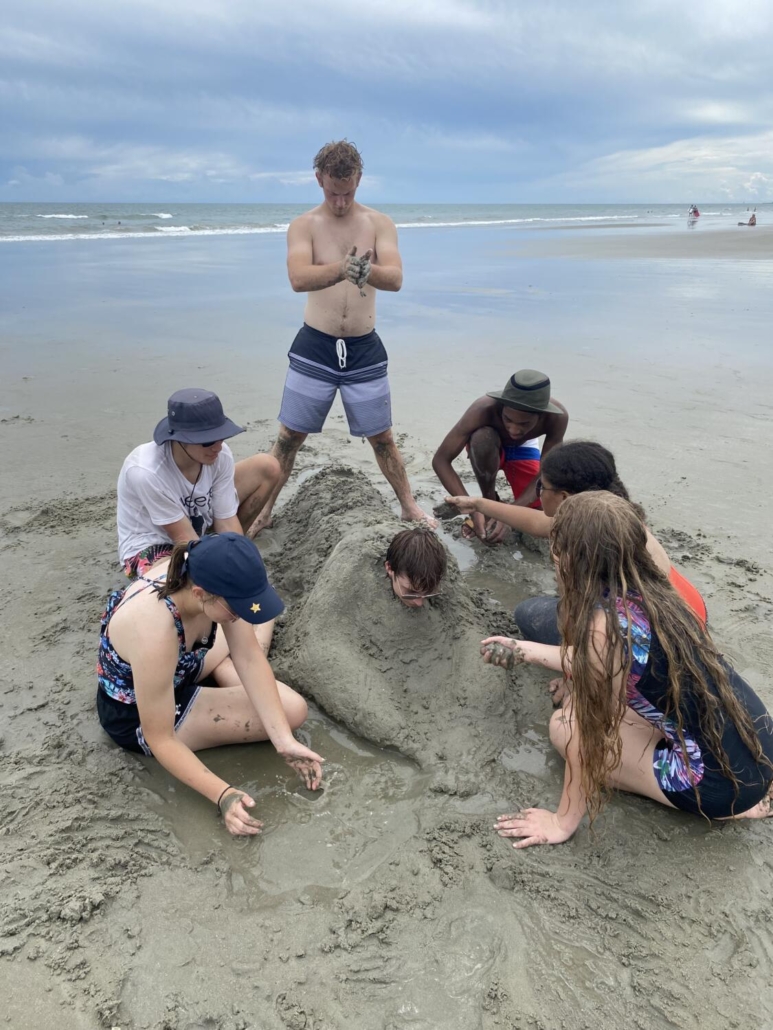
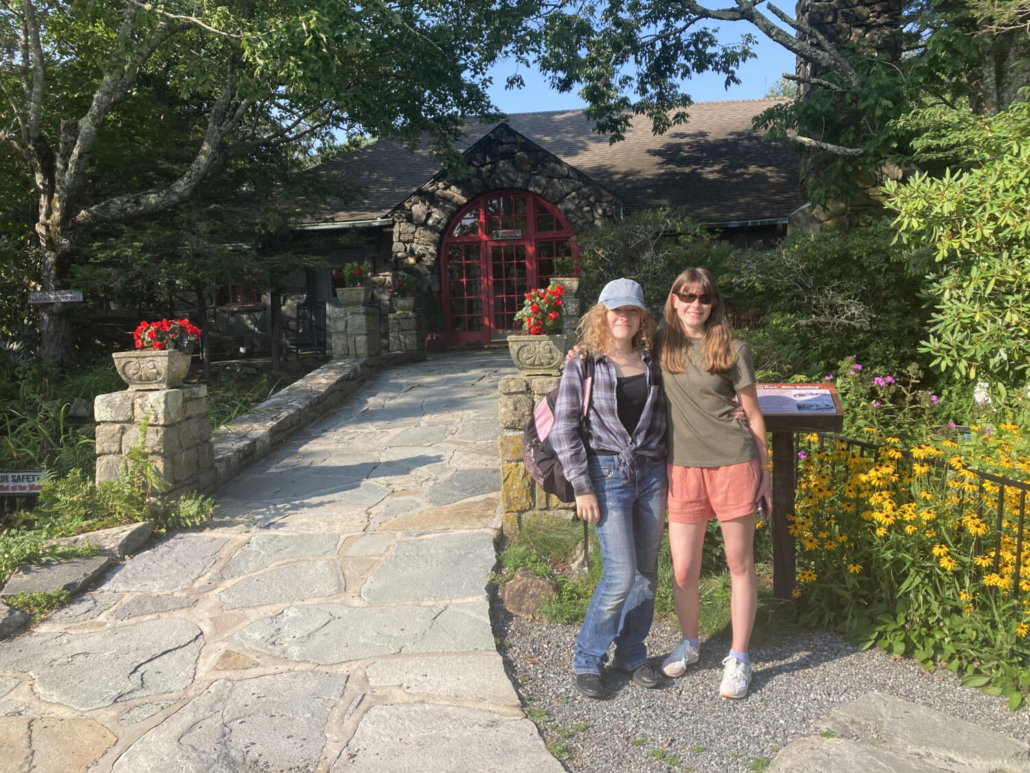
From March 20 to March 23, the ladies of Living Education went on a trip to Charleston, SC, to reflect on what they learned this year, build stronger bonds with each other, and learn about the history and culture of a new place. Mrs. Weston and Mrs. McNair came on the trip, which provided a wonderful opportunity for us to build friendships with women of varying ages.


From March 20 to March 23, the ladies of Living Education went on a trip to Charleston, SC, to reflect on what they learned this year, build stronger bonds with each other, and learn about the history and culture of a new place. Mrs. Weston and Mrs. McNair came on the trip, which provided a wonderful opportunity for us to build friendships with women of varying ages.
Our trip included traveling to a range of different places and exploring the Charleston, SC area. On the Sabbath, we joined the Walterboro, SC, congregation for services, fellowship, and a scrumptious potluck meal afterwards. That evening back at our rental house, we engaged in a team-building activity, assembling three different themed charcuterie boards. With our creative hats on, each team carefully built the boards; it was hard not to eat half the ingredients while we made them!
On Sunday, all of us got dropped off at the bottom of the city of Charleston for an exciting scavenger hunt. The students were divided into two teams and had an hour to try to find as many things on a list that included major tourist attractions and historical sites around the city.
Finally, on Monday, as we returned to Charlotte, we stopped at an old plantation, Middleton Place, to wander through the beautiful gardens, with bush after bush of blooming azaleas.
We all enjoyed spending more time getting to know each other and developing lasting memories on this year’s ladies’ trip to Charleston, SC.
Author: Sabrielle McNair| Living Education Program Assistant
The question is begged, “Why a ladies’ trip?” Most activities at Living Education throughout the year involve our male and female students together. However, God created men and women differently. What women are called to do within the church body differs from what men are called to do. Biblically, women build up their homes with tireless hands, Proverbs 14:1, “The wise woman builds her house,” (NKJV). She would dedicate herself to the family with all her thoughts, time, and actions. So, with the acknowledgement that men and women are different, the question is, “What key element is critical in the support for women today?”
In a word, connection. What can help prepare and support women’s roles in the church is connection. Female friendships and deep bonding are a rare commodity. In a barrage of media and online “connections,” the loneliness epidemic is rampant. And with isolation growing daily, how much more precious are those connections in our lives? The probability is that there are ladies in our church today, struggling to build connections of true meaning and support. So what can we do?
It may seem excessive, but how about a ladies’ trip or get-together? A group of women sets aside time to focus on one another and grow in understanding. If it’s a three-day weekend? Great! An evening after church? Perfect! Whatever time there is to be given to one another, the benefits are endless.
How is this different from fellowship at church? In many aspects, it isn’t. There is talking and perhaps food, the same as at church services. The differences are in the intentionality and focus. When women, just women, come together, there is a different atmosphere than when it’s a mixed group. Topics can be more personal and women-specific challenges that cannot typically be discussed at church, purely for propriety’s sake, can be examined and considered. There’s no hedging about what it is you’re going through. And another woman may be able to relate to your struggle. Still, that kind of trust takes time to develop. And with effort put in outside of church fellowship, that trust is more likely to develop.
What about the age difference? Isn’t it normal to have friends mostly your age? Friendships have come in all shapes, sizes, and ages through history. In your local congregation, there may only be one or two other individuals, even roughly close to your age. But plenty of women, older or younger than you, can serve by developing a friendship. We’re taught to develop these cross-generational relationships in the Bible (Titus 2:3-5, NKJV). Do we take that admonition seriously, and do our actions and time spent reflect that mindset?
What elements could specifically help facilitate female connection in your area? Consider a Ladies’ Trip. Maybe you’re already doing one—fantastic! Or perhaps you have tried organizing something for your area, only to find you lack the people interested or the time to do it. What factors can be considered when planning a ladies’ trip in your area?
First, the people. What is the demographic in your area? Younger ladies, older women, busy moms? Figure out who you are serving first and foremost. What can they do and afford, and how can you plan for the highest possible participation?
Second, the activity. For some areas, an active ladies’ weekend of touring a city may be the way to go. For others, an evening of getting together and developing a new skill, such as crafts or cooking, might work better. Whatever you plan, work to serve and include as many as you can, and change it up from time to time. There’s more than one way to make it happen.
Lastly, the focus. Let people know why you want them to come. Be open and honest, saying that it’s not about the thing you’re doing; it never is. Yes, it may be fun to see new places, eat good food, and perhaps crafting is your personal favorite. However, the primary goal of a women-only event like this is to develop connections. Letting people know you value the opportunity to grow in your relationship with them can show outgoing concern.
Why Ladies’ Trips? Because we need it. Women are different than men; the kind of emotional support required is different because it builds community within our church in ways no other activity can. And because connection, deep, meaningful, loyal, honest, connection is a precious commodity. It’s just one more way to promote it and strengthen the bonds of the God-given family of the church.