Behind the Work 1982

Author: David Markopoulos | Living Education


These posts summarize the forums that our Living Education-Charlotte students attend each week.

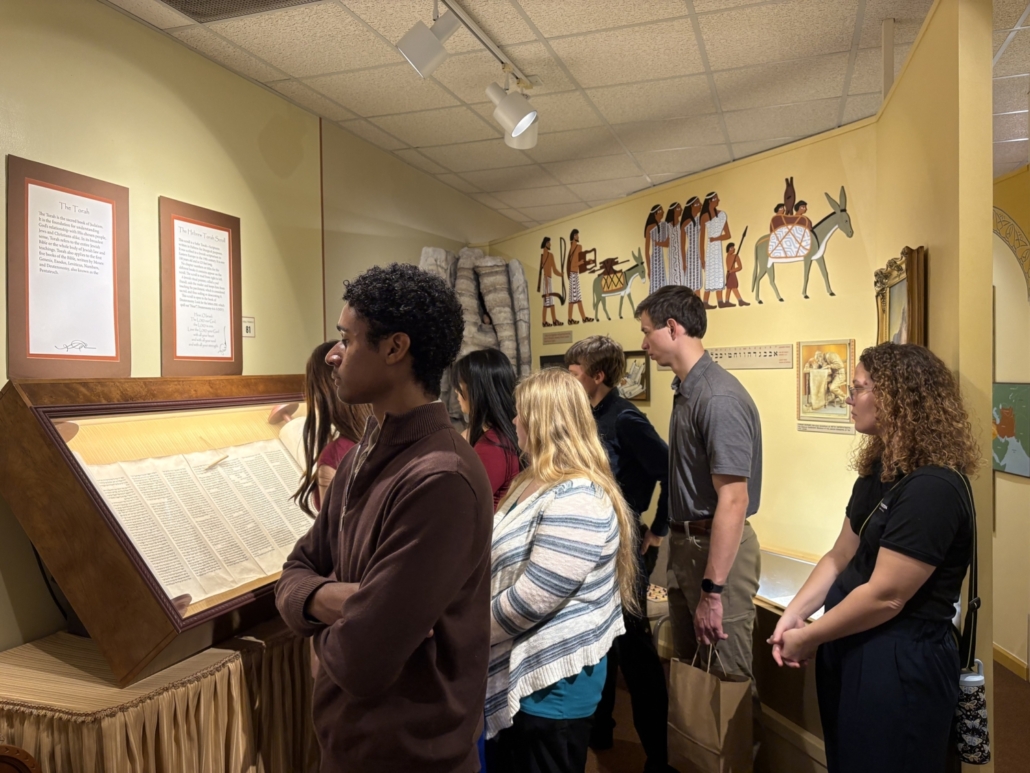
January 16th, 2026 was the 40th anniversary of the death of Mr. Herbert W. Armstrong. For a recent forum presentation, the Living Education-Charlotte students had the opportunity to watch a Behind the Work film from the year 1982. This video covered several major aspects of the Work being done by the Worldwide Church of God, and familiarized the students with the heritage of the Church of God.

The video contrasted the humble beginnings in Eugene, Oregon to the extensive facilities in Pasadena at the time. Mr. Armstrong pioneered the modern era of the Work from a small office space. By 1982, the Church’s headquarters included many buildings such as the Ambassador Auditorium, various college facilities, and more. 

The film also showed several behind-the-scenes meetings between Mr. Armstrong and department heads, showcasing different aspects of the Work, including the editorial process, the college, facilities management, and Church administration. Today, we have several departments following in those same footsteps and performing many of the same types of jobs. At that point in time, the Church had over 400 congregations, and regularly maintained refresher courses for the ministry to keep them up-to-date and focused on their mission to serve the membership.

While this era of the Church may seem far in the past for us, this was a relatively recent time in history. God used Mr. Armstrong and other  faithful men and women to carry out a large-scale Work, making use of resources and technology that had never existed up to that point in history. Today, we have the responsibility of carrying on that same Work of preaching the Gospel and preparing for the coming Kingdom.

012A4131-S

David Markopoulos is a Living Education alumnus from the 2023-2025 school years. Originally hailing from Chicago, he currently works for the Living Education program.

New York Times: Rethinking the Purpose of Education

Author: David Markopoulos | Living Education


These posts summarize the forums that our Living Education-Charlotte students attend each week.

In a recent forum presentation, the Living Education-Charlotte students had the opportunity to listen to a video by the New York Times discussing the state of education today. The principles discussed provided an interesting perspective on educators’ challenges in the modern learning environment.

One idea discussed in the video was the fact that in a changing world, there is increasing uncertainty about what the world will expect from the next generation. This is a difficult thing to gauge on the part of the youth, but it is also difficult for parents and educators who have the responsibility for preparing those youth. In light of a changing world, how should children be educated and what should they be educated toward?

The discussion turned to activities that engage youth and create a dynamic atmosphere that encourages them to learn. It is important to find good metrics by which to measure how motivated and engaged kids are, and try to bring out their best. Part of the discussion also addressed the idea of education as a virtue rather than an instrument. While many people today treat education as a tool that you either have or don’t, having the mindset of an educated person who is intent on learning requires restructuring of your approach to what education really means. Treating the state of being educated as a virtue rather than an instrument by which means are achieved changes the way you approach life.

The video discussed different types of learners and their benefits and challenges. One important recurring theme was that if we don’t know what the future will ask of us, it is difficult to be personally instrumental in preparing for it. This can require a change in our approach, not only personally but societally. The tools we have available such as AI can assist educators, but can also impede learning—as our society has to carefully detangle the complex education scene, our efforts are being compounded by the rapid onset of this new technology. Allowing youth to have rampant overaccess to AI is not only unproductive, it is dangerous. Understanding the challenges that affect the learning environment for our youth is paramount as we strive to help prepare them for what an ever-changing world expects of them.

012A4131-S

David Markopoulos is a Living Education alumnus from the 2023-2025 school years. Originally hailing from Chicago, he currently works for the Living Education program.

Mr. Wallace Smith: Lessons From a Sword

Author: David Markopoulos | Living Education


These posts summarize the forums that our Living Education-Charlotte students attend each week.

In a recent forum message, Mr. Wallace Smith presented the Living Education-Charlotte students with an intriguing item from his collection—a genuine samurai sword. His message, dwelling on this sword, focused on many insightful meditations and lessons we can learn from a sword.

Mr. Smith compared the craftsmanship of a real, steel-forged sword to a lightsaber from Star Wars. While lightsabers represent a fantasy idea of a super-powered sword, the reality is impossible to replicate with our technology. A well-crafted sword is full of intricacy and intentional design.

Heart Steel

Mr. Smith spent time explaining the forging process of the sword, displaying it as he talked. In Japan, iron is less common, which is why swordmakers historically would combine it with carbon. The blade would undergo an intricate process wherein the metal would be combined in two components—softer steel comprises the core, or tang, of the sword, while the harder steel forms the outer blade. 

This accomplishes a very important function. The strength and integrity of the blade is greatly increased because the “heart steel” can absorb shock far better than one solid piece of rigid steel. As the steel is purified, the swordmaker works with it, and finally plunges it in ice-cold water. This final step after weeks or months of work will either strengthen the sword or cause it to shatter.

Lessons From a Sword

What lessons can we learn from this process? Much like a sword blade, God works with us in a refinement process to produce a beautiful instrument that is usable in His hands. Much like a sword blade, there are many unique elements that comprise the larger creation. While we may face trials that feel like they can break us, we have to remember that God is forging us into something unique that He can use as an effective tool for His purpose.

012A4131-S

David Markopoulos is a Living Education alumnus from the 2023-2025 school years. Originally hailing from Chicago, he currently works for the Living Education program.

Women’s Life Roles: Sourdough

Author: Katelyn Wissinger| Student, Living Education – Charlotte, 2025-26


When we first entered the kitchen, we saw a slew of unfamiliar baking supplies set before us. The excitement began to build as we realized this was to be a hands-on class time learning about an intimidating subject. SOURDOUGHS!

The ladies were introduced to the concept of sourdough bread, how to make it, and why it is a better nutritional choice in the first class Mrs. Wayne gave. Students took turns adding the necessary ingredients in a demonstration of the process. By the end of this first class our anticipation for tasting the delectable sourdough bread got to us all and we readily devoured a whole loaf!

In her second class, she explained how sourdough discards can be used to make other baked goods such as waffles and pancakes. We all intently listened as we discovered that making these items from the discard was even easier than making the bread! It just requires a bit of patience for the discard to leaven the batter. All of us took turns cooking the waffles and pancakes, patiently waiting for the warm, golden brown delights to be ready for us to enjoy.

Both classes were hands-on as the instructor demonstrated the recipes with the students’ help. All the students found these classes interesting and beneficial as they learned about sourdough, a concept many had previously been intimidated by.

Mr. Michael Keesee: A Look Into Project Management

Author: David Markopoulos | Living Education


These posts summarize the forums that our Living Education-Charlotte students attend each week.

Mr. Michael Keesee is a Project Manager serving in the IT department at the Charlotte headquarters office. In a recent forum to the Living Education-Charlotte students, Mr. Keesee shared some of his background in the project management field, as well as important principles that you can use in your own life.

The Profession of Making Things Happen

Put simply, project management is the process of overseeing and managing projects. Mr. Keesee described project management as the profession of making things happen. This is a basic principle that can reorient a professional tool into a method for approaching things in our own lives.

We use project management on some level every day. Whenever you make a to-do list, create a system for yourself, or take on a task, you’re managing a project. Sometimes the ideas you or I have can be broad, nebulous, and hard to apply to reality – the skills project managers bring to the table helps turn visions into fruition.

Why Make a Project?

There are plenty of instances where you might undertake a project. Whether you’re in school, a career, or being given a particular responsibility in some other area, at some point you’ll likely find yourself being given a major project to accomplish.

Some important first steps would be:

  1. Find out who the experts are in what you’re trying to do and get their input.
  2. Meet together.
  3. Determine constraints such as time, money, and manpower.
  4. Narrow the scope of the project as needed. What might contribute to or hinder your success?
  5. Anticipate potential roadblocks.
  6. Create a timeline for the completion of the project.
  7. Build your team.

It’s important to build strong bonds of cohesiveness within your team, and to delegate when possible. Being able to share ideas and work well with people is an important trait of an effective project manager.

Family Weekend Games

Mr. Keesee shared anecdotes from many years of helping to organize winter Family Weekend games. When organizing a Church activity, it’s important to ask:

  1. How can we facilitate building bonds of brotherhood in the Church?
  2. How can we include everybody?

By applying the steps from the previous point and applying them to these specific questions, it’s easier to keep the big picture in mind, especially with Church activities. An effective Church activity should foster bonds of brotherhood and honor God. Mr. Keesee stated that although he hadn’t expected to help out in this capacity, he has grown to enjoy coming up with ideas for these games, and his experience in project management has helped simplify the process of organizing them.

Lessons From Project Management

Mr. Keesee’s past experience in software development has helped him adapt to his role in IT at headquarters, and like him, we all have opportunities in life to take responsibility for different projects. A project manager is someone who takes a vision and is able to make it happen by using the tools at their disposal, and especially by working well with people. The application of these principles is not merely for working professionals, but can be applied to all areas of life.

T

012A4131-S

David Markopoulos is a Living Education alumnus from the 2023-2025 school years. Originally hailing from Chicago, he currently works for the Living Education program.

Field Trip: Winter Kick-Off Weekend

Author: David Markopoulos | Living Education


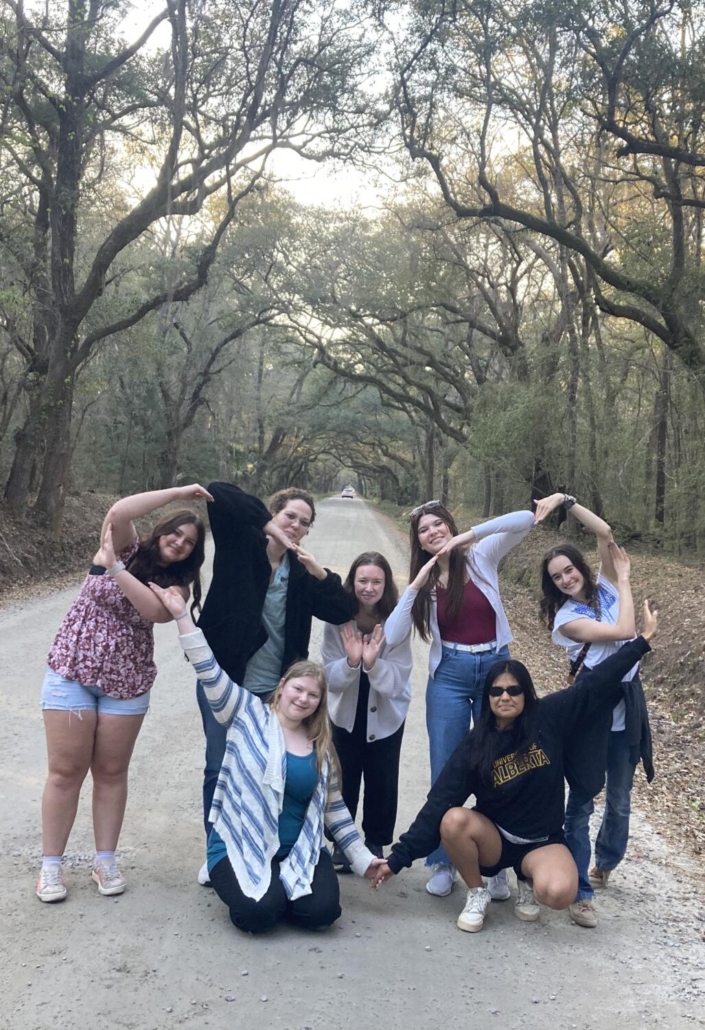
The Spring semester is now in full swing, and this year’s Living Education-Charlotte students are hard at work with their studies. This semester began with a special kick-off weekend in the beautiful mountains of North Carolina. After regrouping from winter break, the students, accompanied by director Jonathan McNair, his family, and other staff, traveled to a beautifully-situated rental home in the Smoky Mountains.

Lasting from Thursday to Sunday, the itinerary included a pleasant balance between fun activities and relaxation time. On Friday morning, the students enjoyed snow tubing for several hours before returning to the house just in time for a lively game of Bible Jeopardy. As we entered the Sabbath, we enjoyed a Sabbath brunch before Mr. Jonathan McNair led the students in a Bible Study. After sunset, the students were divided into two teams captained by the men’s and women’s RAs. Their objective: work together to create honey taffy. While messes were made, each team enjoyed the delicious fruits of their work, and as we headed for home on Sunday morning, the students were rejuvenated, enthusiastic, and ready to take on the remainder of this new semester.


012A4131-S

David Markopoulos is a Living Education alumnus from the 2023-2025 school years. Originally hailing from Chicago, he currently works for the Living Education program.
Mr. Jonathan McNair: How to Use Powerpoint

Author: David Markopoulos | Living Education


These posts summarize the forums that our Living Education-Charlotte students attend each week.

In a recent forum to the Living Education-Charlotte students, Mr. Jonathan McNair shared key principles of using Powerpoint for effective presentations. These steps can lead to an elevated, more professional presentation that reflects a higher quality of design.

Death by Powerpoint

It’s easy for a good presentation to be sidetracked by too many details. The colors, graphics, images, and transitions you apply to your presentation can either add to or detract from your presentation. It’s important to keep basic design principles in mind, avoiding overly complex or visually overstimulating elements that distract the audience.

The Basics

Mr. McNair offered a few basic points for the students in their presentations:

1. Create your content first and think about your slides last.

2. Create a consistent look and feel

3. With text, less is more

4. Use photos that enhance meaning

When it comes to the more technical elements of Powerpoint, Mr. McNair reminded the students that it’s important to:

  1. Use effects and transitions sparingly
  2. Direct the audience’s attention in images
  3. Don’t use autoplay when embedding videos
  4. Use handy QR codes to share your slides for the audience to follow along as you go
  5. Reproduce simple charts and graphs

Powerpoint presentations can be powerful tools that can aid in your presentation, and chances are that we all will need to use it at some point in school, our careers, or other areas. Having a firm grasp of basic design principles and knowing how to create smooth, professional presentations is a step to being a more skilled communicator.

012A4131-S

David Markopoulos is a Living Education alumnus from the 2023-2025 school years. Originally hailing from Chicago, he currently works for the Living Education program.
Field Trip: NASCAR Hall of Fame

Author: Katelyn Wissinger| Student, Living Education – Charlotte, 2025-26


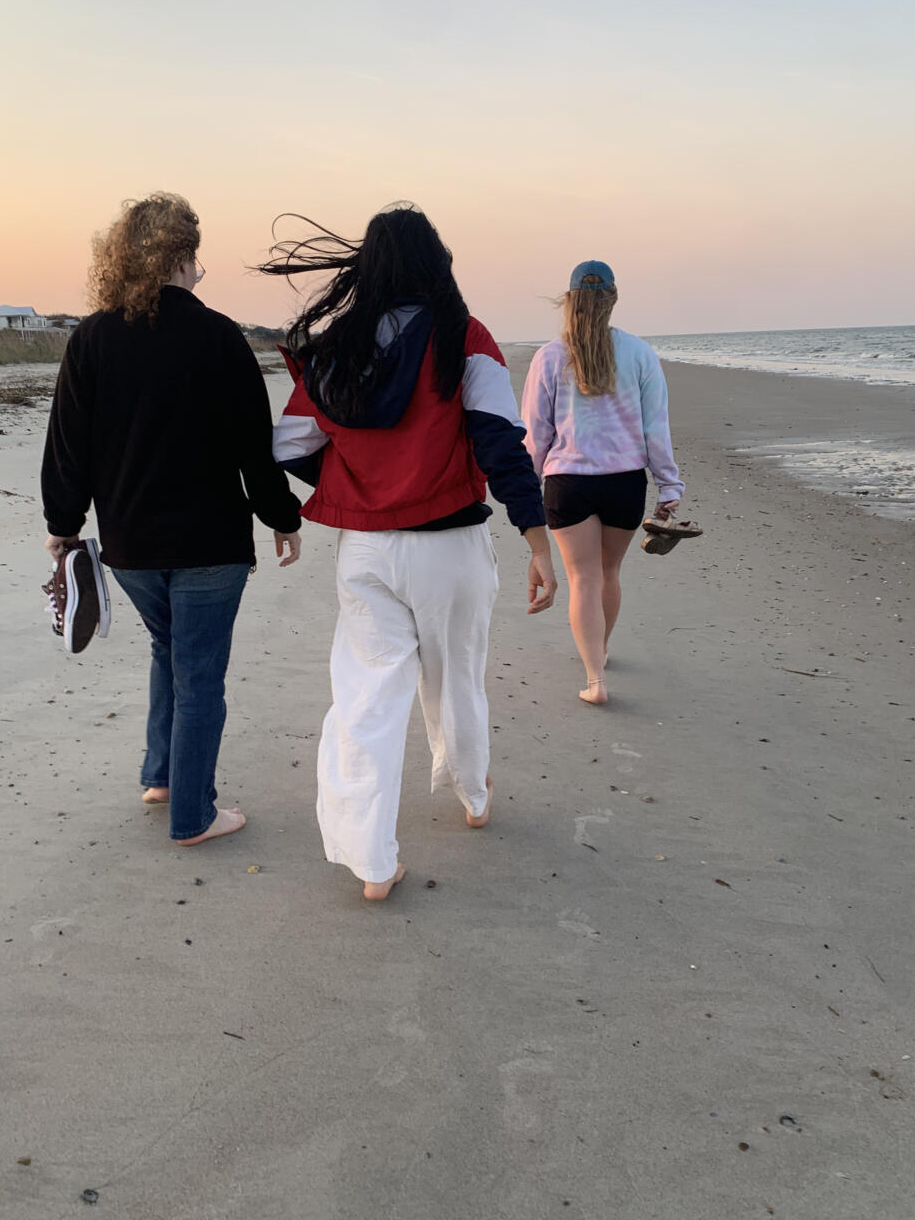
On December 7, the Living Education students toured the NASCAR Hall of Fame museum in Charlotte, NC, where they learned more about racing cars and enjoyed time together. The exhibits they walked through explained the history of the National Association for Stock Car Auto Racing from its inception to its current state. Life-sized models of the cars and samples of the track surfaces were on display.  A racing simulator and pit stop simulator provided an opportunity for friendly competition, as the students got a feel for what stock car racing involves. All the attendees came back from the trip having learned something and made new memories.

Mr. John Robinson: Being the Managing Editor

Author: David Markopoulos | Living Education


These posts summarize the forums that our Living Education-Charlotte students attend each week.

Mr. John Robinson is the Managing Editor for the Living Church of God. In a recent forum message to the Living Education-Charlotte students, Mr. Robinson shared some of his experiences working in the print media industry, as well as some aspects of the Managing Editor’s job.

Experiences Are For a Reason

Mr. Robinson has a long background in print and publishing. He related to the students that many of the experiences, skills, and knowledge he gained as part of this career were not always directly applicable to his then-job. As time went on, he wondered why he would have certain experiences in life. It was 12 years ago that the job offer was posted for the Managing Editor for the Church—and the description matched him perfectly. 

Since then, it became clear to Mr. Robinson that the experiences he was given earlier in life were meant to suit him in the role God gave him later. This was an important lesson Mr. Robinson stressed to the students—while you may not always understand why you’re experiencing something, God is working out all things for good (Romans 8:28). The experiences and skills you gain now may come into play later on in ways you never imagined.

Principles of Design

One major aspect of Mr. Robinson’s job involves design. In his words, design is organizing information. This goes further than organizing visual elements in an aesthetic way, but also includes assessing the purpose of the design, accounting for every detail that goes into the creative process, and eliminating mental clutter. 

One challenge designers face is the fact that the human brain is always looking for a reason to stop reading. As a result, the layout process for the Church’s print media must be completed with care and deliberate intent. Mr. Robinson spoke in detail about the intentionality behind the design elements the Church uses. Everything—the fonts used, the sizes, the colors, even the amount of words in a line—serves a purpose, and is designed to make the reading experience as easy on the reader as possible, while also retaining the core intent of the original author’s vision. Mr. Robinson is a large part of this process, overseeing the layout, versioning, and editing of print media, from the Tomorrow’s World/Living Church News magazines to the booklets.

Design in Your Life

Mr. Robinson’s previous career in print and publishing led him to be a qualified and valuable asset to the editorial process in the Church. Just as the experiences that helped him reach that point did not always make sense, sometimes the things we experience in our day-to-day lives do not always make sense until later. The lessons we learn, skills we gain, and experiences we have may become relevant later on, and we must always have faith in God that He will be able to use those experiences for His benefit, in His timing—and it may mean you end up somewhere you never expected. Mr. Robinson stressed to the students that God is actively involved in all our lives, and is tailoring a life experience unique to all of us.

012A4131-S

David Markopoulos is a Living Education alumnus from the 2023-2025 school years. Originally hailing from Chicago, he currently works for the Living Education program.
Dr. Richard Franz: Self Control – Don’t Give it Away

Author: David Markopoulos | Living Education


These posts summarize the forums that our Living Education-Charlotte students attend each week.

Dr. Richard Franz, a pastor serving in the Midwest, took the time to address the Living Education-Charlotte students in a recent forum. 

Choices We Make

Dr. Franz began by highlighting the importance of choices in our lives. It is very easy for choices we make repeatedly to become habits. That’s why it’s important for us to ensure we are choosing what God would want us to choose. One major mark of our conversion is the degree to which we are able to make informed decisions based on what God would choose. Furthermore, it’s important to realize the impact our choices have on others. What will be the legacy of your choices?

Importance of Self Control

Proverbs 4:26 states: “Ponder the path of your feet, and let all your ways be established.” This is an important reminder to be mindful of the choices we make in life. Having the discipline to make right, wise, and godly choices involves a great deal of self control. 

Dr. Franz pointed out that it is the discipline of self control that enables us to benefit from God’s—and others’—wisdom, instruction, and correction. While we may want to do the right thing, it sometimes comes at the cost of other things we may want. It’s easy to hold on to our human nature, get angry, become depressed, or try to justify ourselves. It can be especially hard when others seem to be actively working against us. Even when it’s unintentional, it’s easy for us to let go of our self control and become reactive to the things people do and say—but a strong sense of self control helps us gain a handle on those impulses and make the right choices.

Choose Right

Dr. Franz pointed out the example in John 5:6 where Jesus asked a paralytic an important question: “Do you want to be made well?” So much hinges on our desire and willingness to put aside our human nature and choose to do the right thing. It involves the discipline, integrity, and self control to guard our hearts with all diligence, and strive to do the godly thing in spite of everything else.

Dr. Franz encouraged the students to reject ungodly attitudes, and to always choose right, choose to forgive, choose to give the benefit of the doubt, and to choose to live with purpose and direction. We can choose to have an internal battle, or we can choose to live proactively with the help of God’s Spirit, maintaining self control and developing strong character every day.

012A4131-S

David Markopoulos is a Living Education alumnus from the 2023-2025 school years. Originally hailing from Chicago, he currently works for the Living Education program.