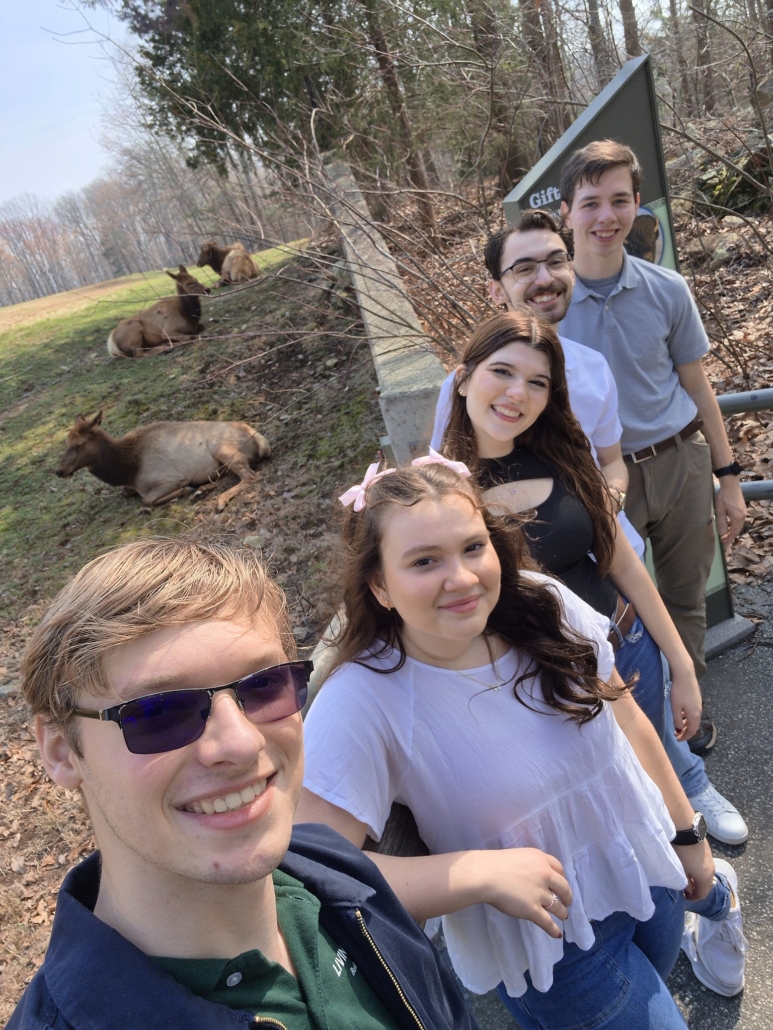
This past weekend, the male students of Living Education-Charlotte, joined by Mr. Jonathan McNair, set out on an exciting adventure in the mountains of North Carolina. The picturesque views of Linville Gorge set a beautiful background for our annual men’s backpacking trip. The purpose of these trips is to help our male students draw closer together as men, spend time in the great outdoors, and learn essential survival skills.
Setting out from the dorms, the intrepid crew of adventurers ascended a steep uphill trail, took a pre-packed lunch overlooking the scenic views of the gorge near the top of the ridge, and ultimately descended toward a clearing where we camped for the night. After an eight-mile day, we were glad for an early dinner and the chance to enjoy the evening before heading to bed. The next day, despite blustery winds, the sun came out, setting a warm tone for the day as we retraced our steps and ultimately made our way back to the cars—and civilization! This year’s trip helped our male students build basic camping skills, gave them the chance to grow closer together as brothers, and provided lasting, enjoyable memories in the great outdoors.
David Markopoulos is a Living Education alumnus from the 2023-2025 school years. Originally hailing from Chicago, he currently works for the Living Education program.
Author: Katelyn Wissinger| Student, Living Education – Charlotte, 2025-26
Where & What: A Student’s Perspective
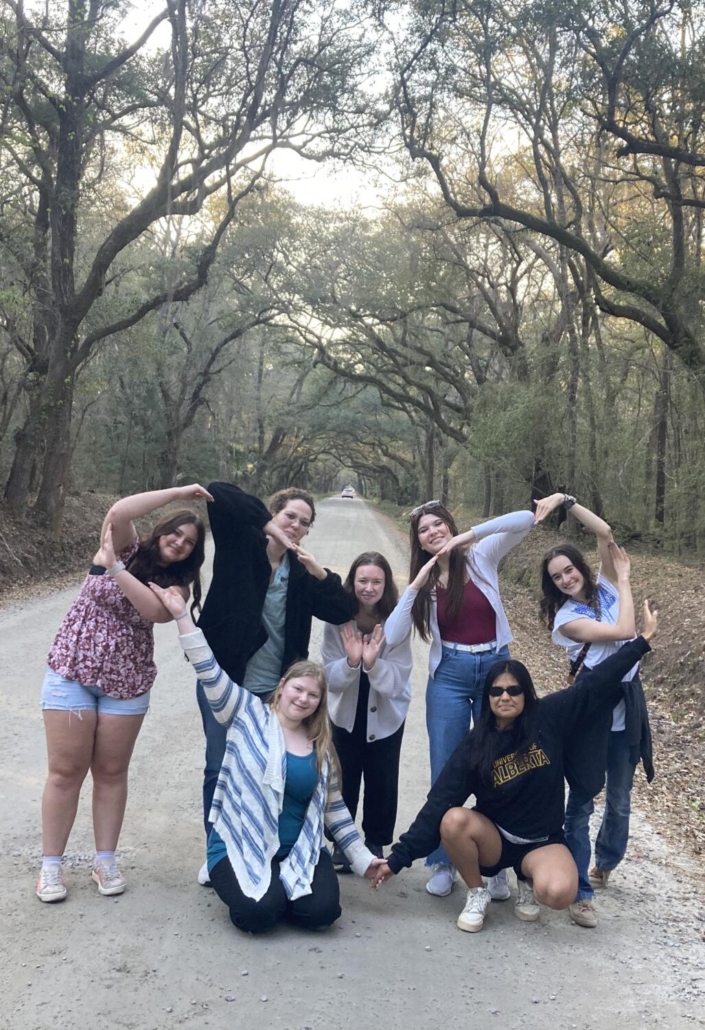
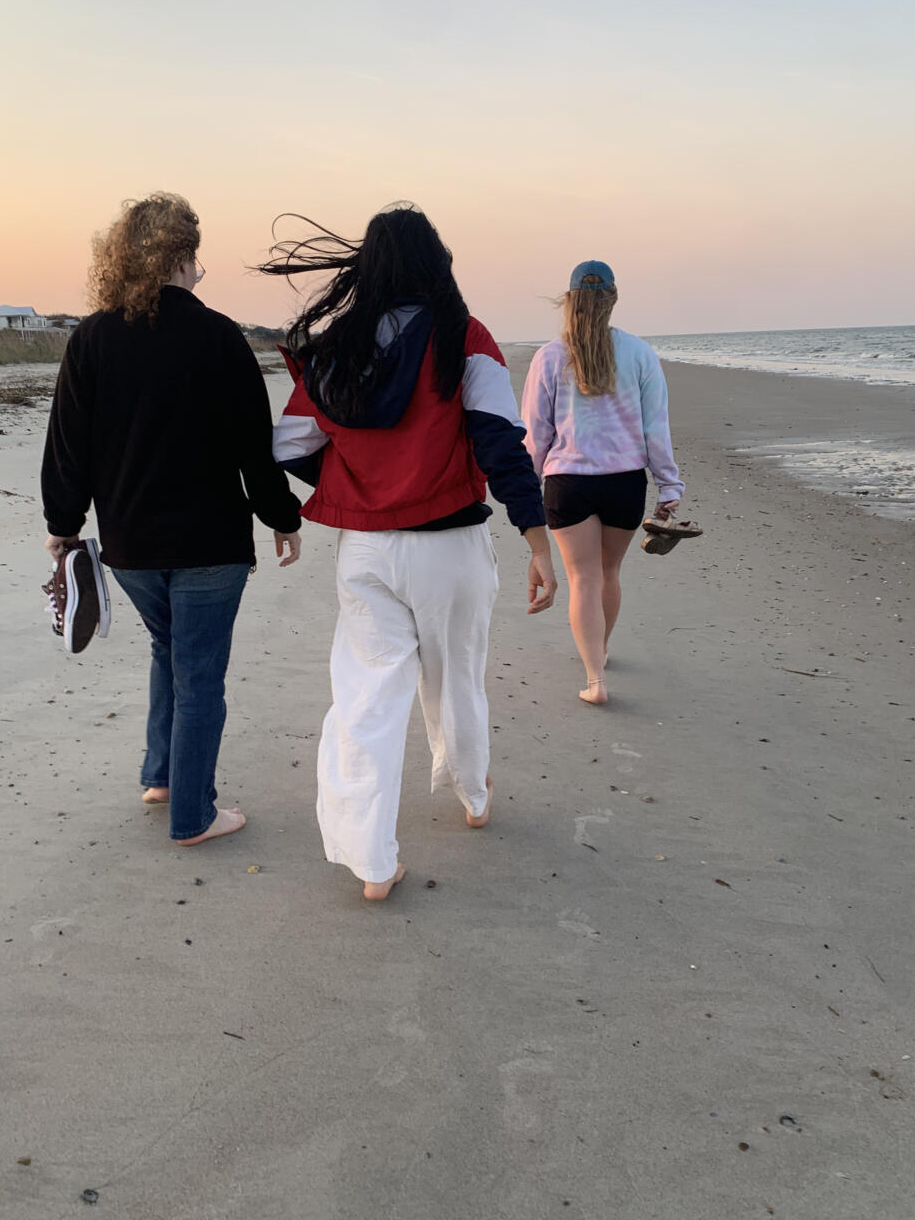
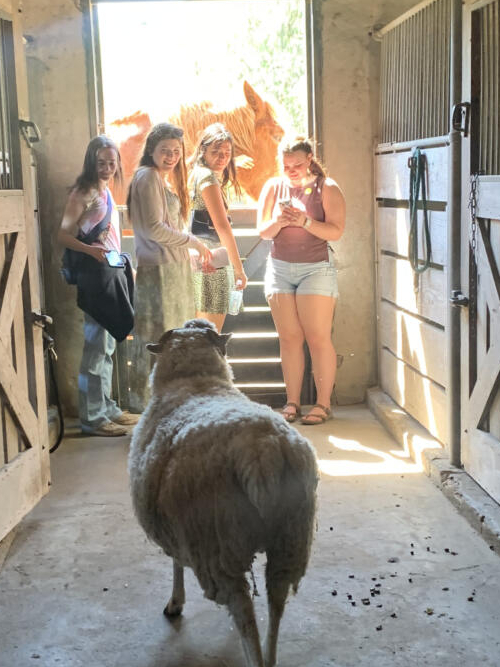
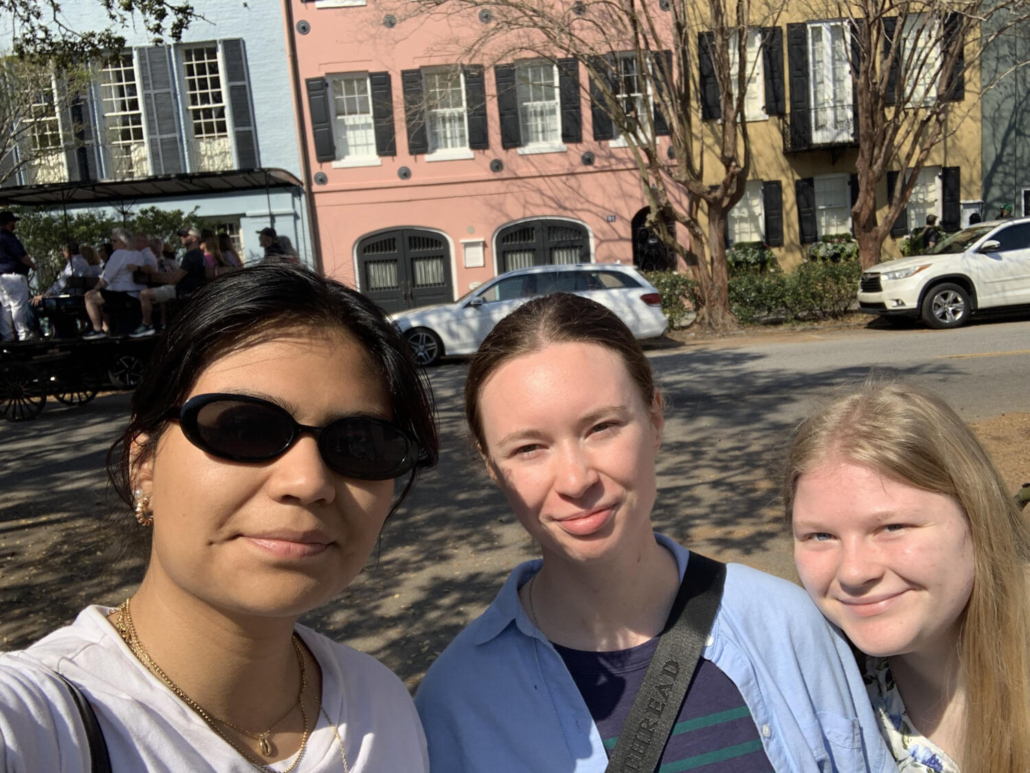
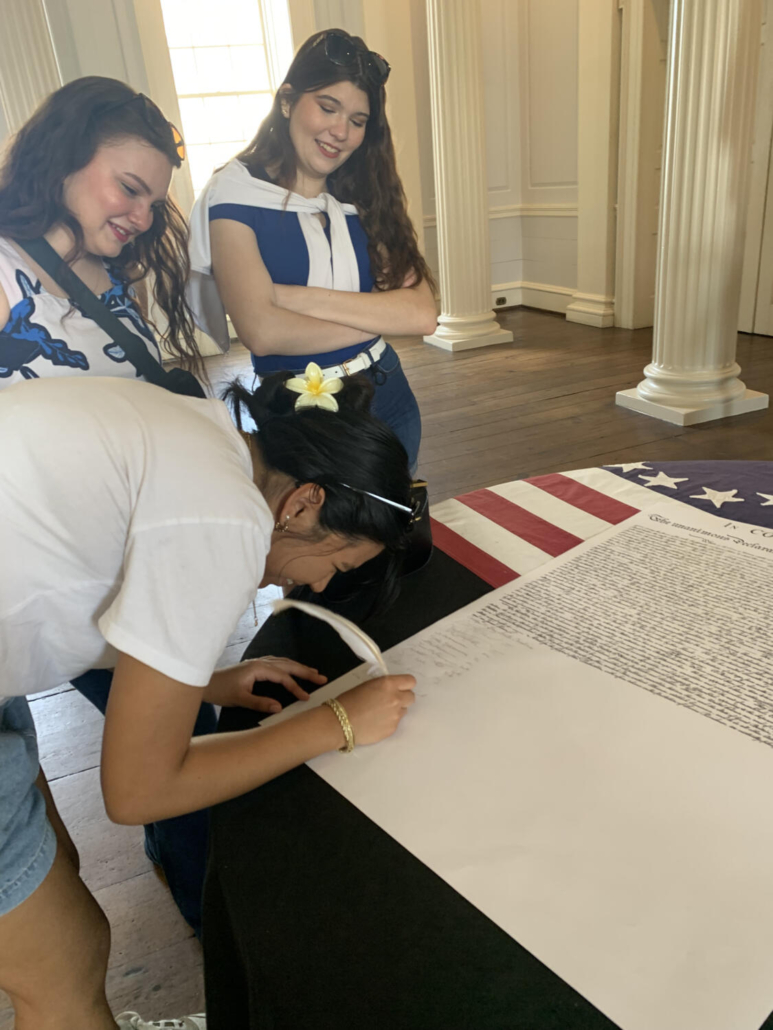
From March 20 to March 23, the ladies of Living Education went on a trip to Charleston, SC, to reflect on what they learned this year, build stronger bonds with each other, and learn about the history and culture of a new place. Mrs. Weston and Mrs. McNair came on the trip, which provided a wonderful opportunity for us to build friendships with women of varying ages.
From March 20 to March 23, the ladies of Living Education went on a trip to Charleston, SC, to reflect on what they learned this year, build stronger bonds with each other, and learn about the history and culture of a new place. Mrs. Weston and Mrs. McNair came on the trip, which provided a wonderful opportunity for us to build friendships with women of varying ages.
Our trip included traveling to a range of different places and exploring the Charleston, SC area. On the Sabbath, we joined the Walterboro, SC, congregation for services, fellowship, and a scrumptious potluck meal afterwards. That evening back at our rental house, we engaged in a team-building activity, assembling three different themed charcuterie boards. With our creative hats on, each team carefully built the boards; it was hard not to eat half the ingredients while we made them!
On Sunday, all of us got dropped off at the bottom of the city of Charleston for an exciting scavenger hunt. The students were divided into two teams and had an hour to try to find as many things on a list that included major tourist attractions and historical sites around the city.
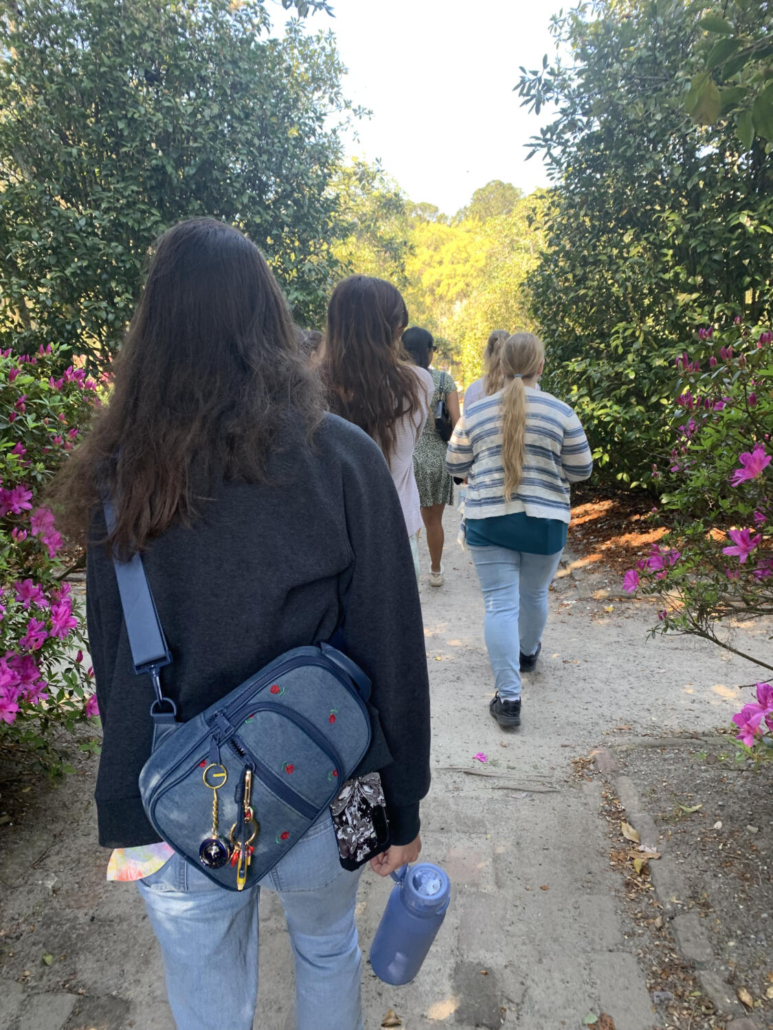
Finally, on Monday, as we returned to Charlotte, we stopped at an old plantation, Middleton Place, to wander through the beautiful gardens, with bush after bush of blooming azaleas.
We all enjoyed spending more time getting to know each other and developing lasting memories on this year’s ladies’ trip to Charleston, SC.
The Purpose of Ladies Trips
Author: Sabrielle McNair| Living Education Program Assistant
Why Bother?
The question is begged, “Why a ladies’ trip?” Most activities at Living Education throughout the year involve our male and female students together. However, God created men and women differently. What women are called to do within the church body differs from what men are called to do. Biblically, women build up their homes with tireless hands, Proverbs 14:1, “The wise woman builds her house,” (NKJV). She would dedicate herself to the family with all her thoughts, time, and actions. So, with the acknowledgement that men and women are different, the question is, “What key element is critical in the support for women today?”
In a word, connection. What can help prepare and support women’s roles in the church is connection. Female friendships and deep bonding are a rare commodity. In a barrage of media and online “connections,” the loneliness epidemic is rampant. And with isolation growing daily, how much more precious are those connections in our lives? The probability is that there are ladies in our church today, struggling to build connections of true meaning and support. So what can we do?
It may seem excessive, but how about a ladies’ trip or get-together? A group of women sets aside time to focus on one another and grow in understanding. If it’s a three-day weekend? Great! An evening after church? Perfect! Whatever time there is to be given to one another, the benefits are endless.
How is this different from fellowship at church? In many aspects, it isn’t. There is talking and perhaps food, the same as at church services. The differences are in the intentionality and focus. When women, just women, come together, there is a different atmosphere than when it’s a mixed group. Topics can be more personal and women-specific challenges that cannot typically be discussed at church, purely for propriety’s sake, can be examined and considered. There’s no hedging about what it is you’re going through. And another woman may be able to relate to your struggle. Still, that kind of trust takes time to develop. And with effort put in outside of church fellowship, that trust is more likely to develop.
What about the age difference? Isn’t it normal to have friends mostly your age? Friendships have come in all shapes, sizes, and ages through history. In your local congregation, there may only be one or two other individuals, even roughly close to your age. But plenty of women, older or younger than you, can serve by developing a friendship. We’re taught to develop these cross-generational relationships in the Bible (Titus 2:3-5, NKJV). Do we take that admonition seriously, and do our actions and time spent reflect that mindset?
How To?
What elements could specifically help facilitate female connection in your area? Consider a Ladies’ Trip. Maybe you’re already doing one—fantastic! Or perhaps you have tried organizing something for your area, only to find you lack the people interested or the time to do it. What factors can be considered when planning a ladies’ trip in your area?
First, the people. What is the demographic in your area? Younger ladies, older women, busy moms? Figure out who you are serving first and foremost. What can they do and afford, and how can you plan for the highest possible participation?
Second, the activity. For some areas, an active ladies’ weekend of touring a city may be the way to go. For others, an evening of getting together and developing a new skill, such as crafts or cooking, might work better. Whatever you plan, work to serve and include as many as you can, and change it up from time to time. There’s more than one way to make it happen.
Lastly, the focus. Let people know why you want them to come. Be open and honest, saying that it’s not about the thing you’re doing; it never is. Yes, it may be fun to see new places, eat good food, and perhaps crafting is your personal favorite. However, the primary goal of a women-only event like this is to develop connections. Letting people know you value the opportunity to grow in your relationship with them can show outgoing concern.
Why Ladies’ Trips? Because we need it. Women are different than men; the kind of emotional support required is different because it builds community within our church in ways no other activity can. And because connection, deep, meaningful, loyal, honest, connection is a precious commodity. It’s just one more way to promote it and strengthen the bonds of the God-given family of the church.
https://www.lcgeducation.org/wp-content/uploads/2021/02/logo_basic-website-300x94.png00Katelyn Wissingerhttps://www.lcgeducation.org/wp-content/uploads/2021/02/logo_basic-website-300x94.pngKatelyn Wissinger2026-03-30 12:13:102026-03-30 14:55:28Ladies Trip to Charleston, SC
These posts summarize the forums that our Living Education-Charlotte students attend each week.
Mr. Brent Mitchell is an area pastor serving in the New York and New Jersey congregations. In a recent forum addressed to the students of Living Education-Charlotte, he delivered sound wisdom on how to build trust.
Trust in Teams
Trust in an essential ingredient in teams—however, the absence of this important trait can lead to poor outcomes and ineffective communication. Mr. Mitchell heavily emphasized the importance of trust and trustworthiness as not only being important virtues to embody, but also the fact that trust is an outcome—it is the product of action and effort.
Foundation of Trust
It’s important to understand trust as an outcome—this dimension changes it from a static trait into an active result. It should also prompt us to ask: who do we trust? And who trusts us? How effectively do we embody trustworthiness? As Mr. Mitchell explained, we learn to do so by developing in character and competence.
Building Trust
Mr. Mitchell described seven key character traits that help us exhibit trustworthiness toward others.
Honesty –Being able to honestly express our feelings and opinions based on what you know. Honesty is a critical aspect of being truly trustworthy. Proverbs 12:17 states: “He who speaks truth declares righteousness, but a false witness, deceit.” If we want to be truly trustworthy, we should be completely free from deceit.
Courage – Being honest and trustworthy takes courage, especially when we face external pressure.
A Pattern of Good Works – Having integrity and a reputation of being upstanding and moral goes a long way. We should be striving not only to build good, godly habits, but to do good to others.
Dependability – Other people may rely on us, and we should strive to be dependable for those who need our help. Dependability drives trust.
Transparency – Sometimes it’s important to share our cards with others and to be transparent about our side. This is an important factor in exhibiting trust.
Kindness – Kindness is deeply important for building trust. Helping people know that they are cared for and looking out for their best interests is deeply critical to facilitating trust in teams and interpersonal relationships.
Authenticity – Having a clear conscience helps us have a positive alignment of our actions and beliefs. This means being genuine—not pretending to be someone you’re not.
Embody Trustworthiness
Mr. Mitchell encouraged the students to give people time and work at exhibiting trustworthiness. He also referenced the Parable of the Talents—with the tools and opportunities God gives us to build relationships and work in teams, especially in the Church, we should take full advantage and work hard to be trustworthy. If we want others to trust us, be trustworthy.
David Markopoulos is a Living Education alumnus from the 2023-2025 school years. Originally hailing from Chicago, he currently works for the Living Education program.
https://www.lcgeducation.org/wp-content/uploads/2026/03/un-perfekt-handshake-4040911-1.jpg8171500David Markopouloshttps://www.lcgeducation.org/wp-content/uploads/2021/02/logo_basic-website-300x94.pngDavid Markopoulos2026-03-27 14:41:372026-03-27 14:42:09Mr. Brent Mitchell: The Result of Trust
These posts summarize the forums that our Living Education-Charlotte students attend each week.
Mr Htoowah Laybeh is an Area Pastor serving in Myanmar and Thailand, overseeing a large area of congregations. In a recent forum message addressed to the Living Education-Charlotte student body, Mr. Laybeh presented some important questions and exciting facts about the Work being done in Southeast Asia.
Why Are You Here?
Mr. Laybeh prompted the students to answer this question for themselves. Why are any of us here—not only at Living Education, but in the Church? With the work that we support, what is the benefit? What’s in it for us as we follow Christ?
Mr. Laybeh shared a quote from Mahatma Gandhi: “The best way to find yourself is to lose yourself in the service of others.” This lesson should prompt us to base our success on service to others, not at the expense of others. The Work being done in this region of the world is directly impacted by the support and effort of many people, including members far away. The brethren’s needs are met through the hard work and dedication of people who have a heart to serve.
The Work in Thailand
The Church’s efforts in Thailand go back to the days of the Worldwide Church of God. Today, the Church operates as the Foundation in order to maintain operations in the country. Work began in order to register in Thailand back in 2016. In 2018, we officially registered as a legal entity, enabling us to operate legally within the country. Today, the Church, through the Foundation, is able to serve its members through this vehicle. The Church’s office in Mae Sot works on processing mail, hosting services and Bible studies, fulfilling literature requests, and more in order to serve the brethren throughout the country.
Thailand has a population of over 67–71 million, with only around 30 individuals currently in the Church, indicating there is still an opportunity to do the Work within the country. He also shared valuable life lessons, noting that amid the intense challenges and trials faced by many of our Chin brethren in northern Myanmar, it is important to keep praying for them and never take things for granted.
Education
Another aspect of the work in Thailand is the involvement of Living Education. Each year for the past 3 years, Living Education has sponsored volunteers—alumni of the Living Education-Charlotte program—to assist schoolteachers in teaching English to students. With the help and efforts of these students, the Church’s positive impact on the community at large helps foster a stronger relationship with officials in Thailand.
Serve Others – Growing through Serving
Mr. Laybeh reminded the students that we’re here for a purpose. We are here to learn, grow, and, especially for our Living Education-Charlotte students, to go back and serve. The brethren in Thailand benefit a great deal from the efforts and service of volunteers working hard to meet their needs—this important lesson should be an example for all of us within the Body of Christ as we learn to lose ourselves in the service of others.
David Markopoulos is a Living Education alumnus from the 2023-2025 school years. Originally hailing from Chicago, he currently works for the Living Education program.
https://www.lcgeducation.org/wp-content/uploads/2026/03/sasint-grand-palace-1822487.jpg5781500David Markopouloshttps://www.lcgeducation.org/wp-content/uploads/2021/02/logo_basic-website-300x94.pngDavid Markopoulos2026-03-27 14:39:532026-03-30 08:40:30Mr. Htoowah Laybeh: The Work in Asia – Growing Through Serving
Featured Passages: Genesis 1:1; John 1:1–3; Job 38:4–7 [“sons of God” refers here to angels]; Hebrews 1:10; Deuteronomy 10:14.
The creation week (actually, as we will see in a later lesson, “re-creation” week) is an important teaching of the Bible and God’s Church. However, before the week recorded in the first chapter of Genesis, there was a time when there was only God—two Beings whom we now know as God the Father and the Word, whom we usually call Jesus Christ. God purposed to expand His family. He first created other spirit beings, including angels. Afterward, God began to create the physical universe. God’s creative ability is truly amazing! The whole universe, everything seen and unseen, was created in preparation for the future sons and daughters of God Almighty.
Discuss:
Make these verses come alive by asking your child questions about what it must have been like before God and Jesus Christ (the Word) created anything.
Explain that Jesus Christ had a different name to begin with (the “Word”) and that He later was born as God’s Son and was given a new name, Jesus Christ. That is also why we now refer to God as “the Father.”
Talk about how God and Jesus Christ wanted a family and built a creation for them to enjoy. Originally, it was just the two of them, and they wanted a much bigger family.
Help your child to understand that God is the Creator and that only God can create from nothing. Even when we create a chair of wood, God is the One who created the wood!
Explain to your child that God created the angels before creating the physical universe.
Ask your child what things in God’s creation he enjoys the most. Help him understand, in a simple way, that God created all of these things for us.
Memory Challenge: Help your child memorize the days of the creation week:
Day 1 – Divided light from darkness
Day 2 – Prepared sky and clouds
Day 3 – Separated dry land from seas; Created plants
Day 4 – Appointed Sun, Moon, & the Stars for lights in the sky
These posts summarize the forums that our Living Education-Charlotte students attend each week.
Dr. John Cole attends the local Charlotte congregation, and as a licensed Property and Casualty Agent, has accumulated many years of experience in business strategy. In a recent forum message addressed to the students of Living Education-Charlotte, he shared several important tips and lessons for developing a solid business strategy for your own life.
SWOT Analysis
Dr. Cole encouraged the students to utilize the tool of a SWOT analysis when making important career decisions. SWOT stands for: Strengths, Weaknesses, Opportunities, and Threats. Making a list of what falls under these categories can help inform those important decisions. Whether you’re applying for a company or planning to be an entrepreneur, as you construct a strategy for your life and career, doing a SWOT analysis is an important tool.
Know What the Company is All About
What if you’re applying for a position at a company? Dr. Cole encouraged the students to research and understand what the company is all about beforehand, and to determine if working for that company would align with your values, as well as your long-term goals and overall business strategy.
This principle also applies to entrepreneurs starting their own business. If you’re going to create a company and market yourself, you should have a clear business plan and solid idea not only of what your company does, but what it’s all about. This will help your company’s success in the long term, as well as how it’s perceived by others.
Reputation
In learning to navigate the world of careers and entrepreneurship, it’s important to keep your reputation in mind. Employers and interviewers check up on applicants to see if they should hire the person. Dr. Cole reminded the students to guard their reputations—when ethical challenges or other situations arise that bring your character into question, you can have a clean conscience and even welcome the scrutiny that proves your character is solid.
Envision Success and Pray for Guidance
Dr. Cole told the students to assess whether they would want to climb the corporate ladders they might come into contact with. Make sure to embody trustworthiness and confidentiality, and to have an employable character. Take the time to envision the success of your business strategy, and put in the hard work to achieve it. And in any undertaking, always involve God in the process. We should always remember to pray for guidance as we pursue any endeavor and develop a strategy for our life.
David Markopoulos is a Living Education alumnus from the 2023-2025 school years. Originally hailing from Chicago, he currently works for the Living Education program.
https://www.lcgeducation.org/wp-content/uploads/2026/03/rawpixel-action-2277292.jpg10241500David Markopouloshttps://www.lcgeducation.org/wp-content/uploads/2021/02/logo_basic-website-300x94.pngDavid Markopoulos2026-03-19 18:30:002026-03-19 16:29:32Dr. John Cole: Business Strategy
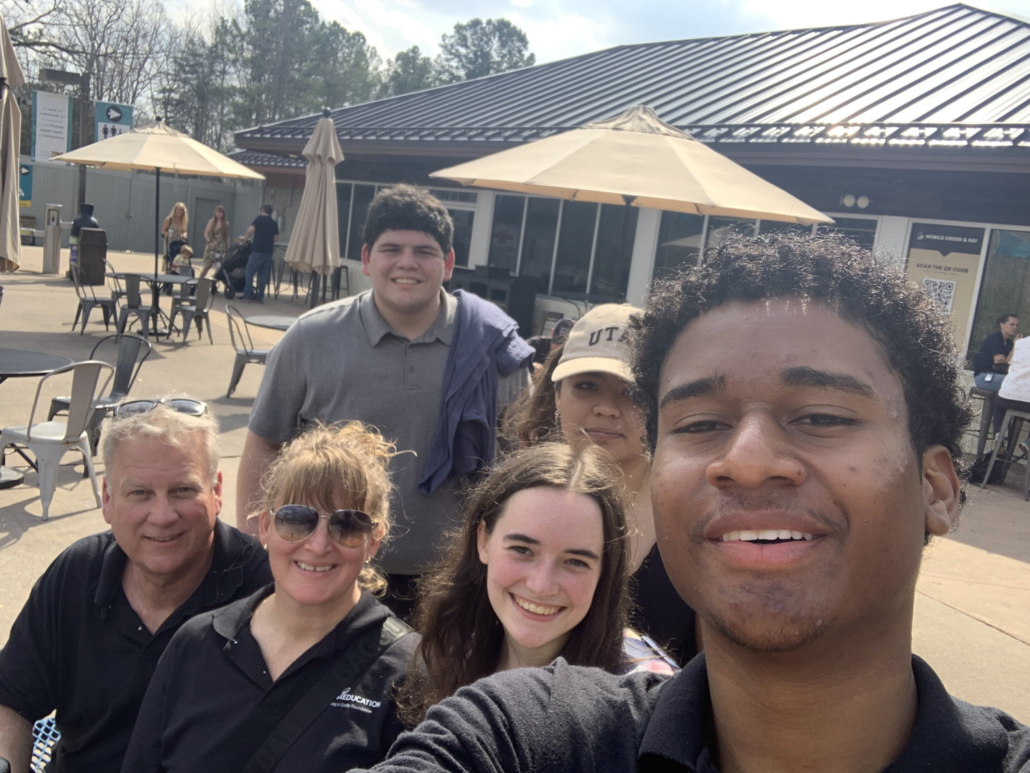
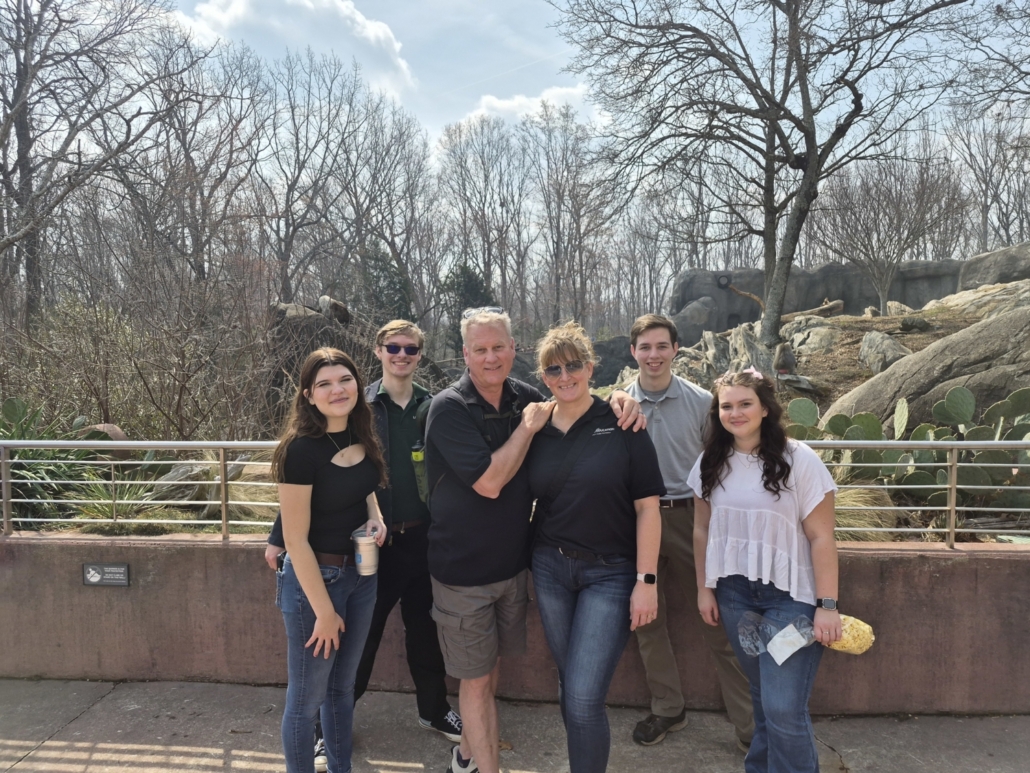
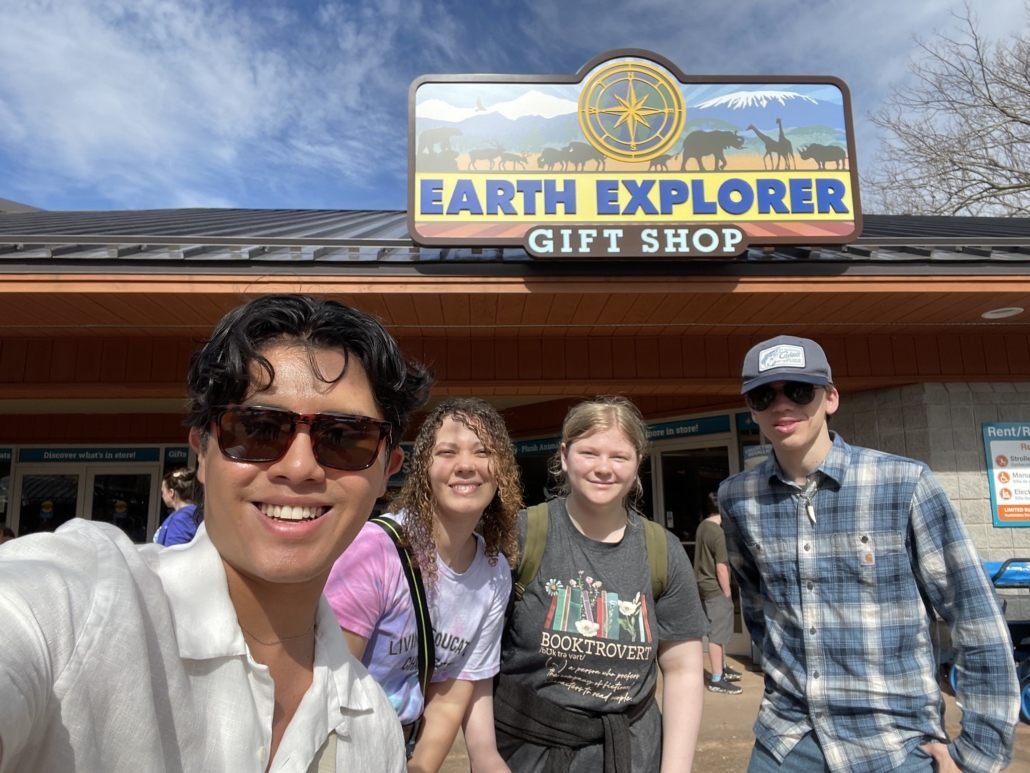
This past Thursday, the Living Education-Charlotte students, along with the McNair and Johnson families, made a trip to the North Carolina Zoo in Asheboro, NC. With the weather getting warmer and hints of spring beginning to appear, this was a welcome opportunity to get outside, spend time together, and enjoy seeing some of God’s creation.
After arriving at the zoo, Mr. McNair tasked our intrepid group of wildlife adventurers with a challenge—throughout the zoo visit, the students would be participating in a scavenger hunt. Divided into teams headed up by our second-year student leaders, each team had to find certain animals or landmarks scattered throughout the zoo and take a group selfie—and for bonus points, they had to find the McNairs too! Splitting up, each group spent time scouting out their targets while also enjoying the exhibits and scenery—and of course, all the animals. To see some of their successful selfies, just scroll below this post!
At noon, the group gathered back together to enjoy a pre-packed sandwich lunch before spending another hour and a half enjoying the rest of the zoo—and before long, it was time to head home. While the fun was over for now, there were plenty of photos and memories to enjoy of another LivingEd-Charlotte outing in the great outdoors.
David Markopoulos is a Living Education alumnus from the 2023-2025 school years. Originally hailing from Chicago, he currently works for the Living Education program.
https://www.lcgeducation.org/wp-content/uploads/2026/03/IMG_4319-X4.jpg11251500David Markopouloshttps://www.lcgeducation.org/wp-content/uploads/2021/02/logo_basic-website-300x94.pngDavid Markopoulos2026-03-16 14:13:192026-03-16 14:13:22A Trip to the North Carolina Zoo
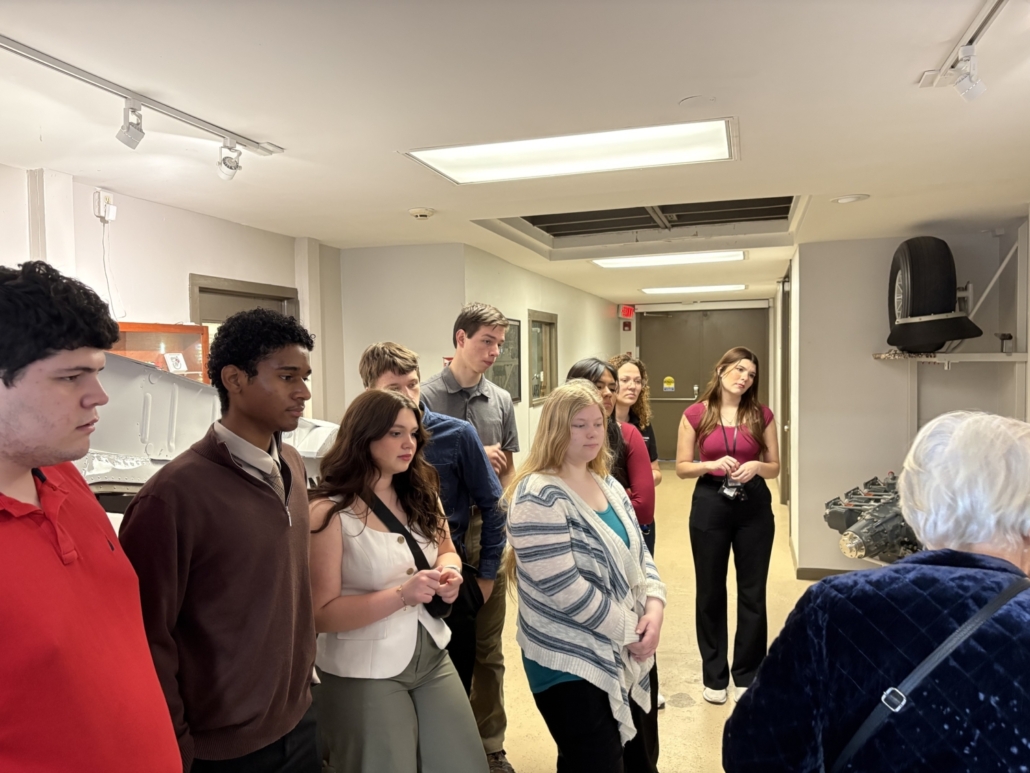
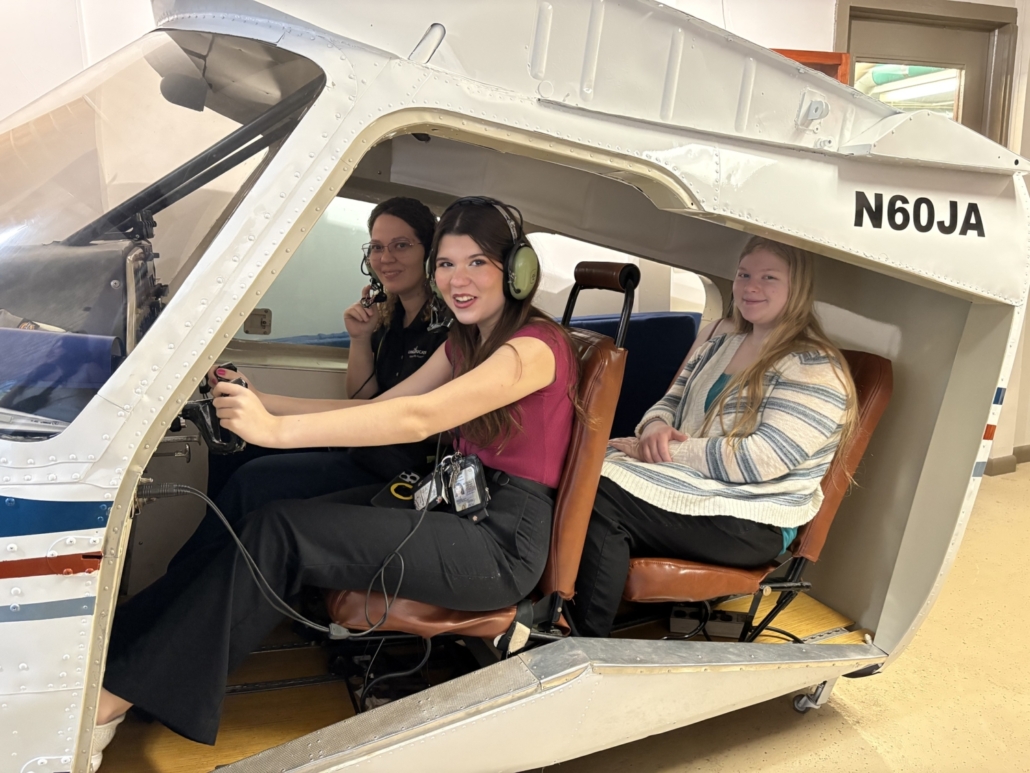
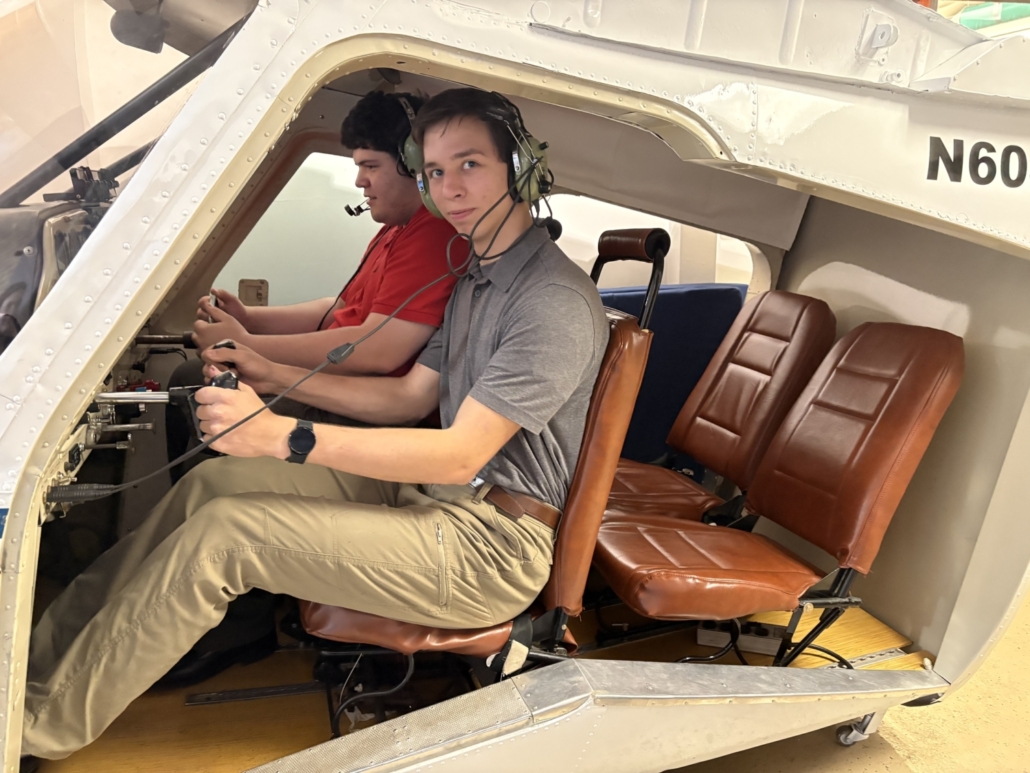
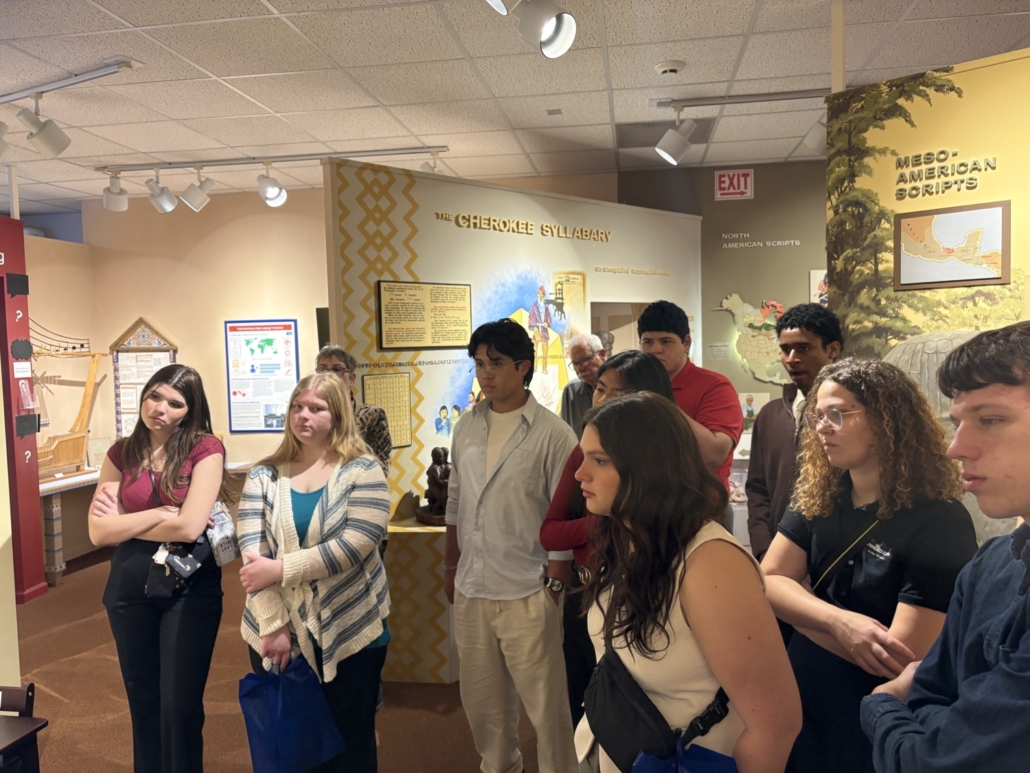
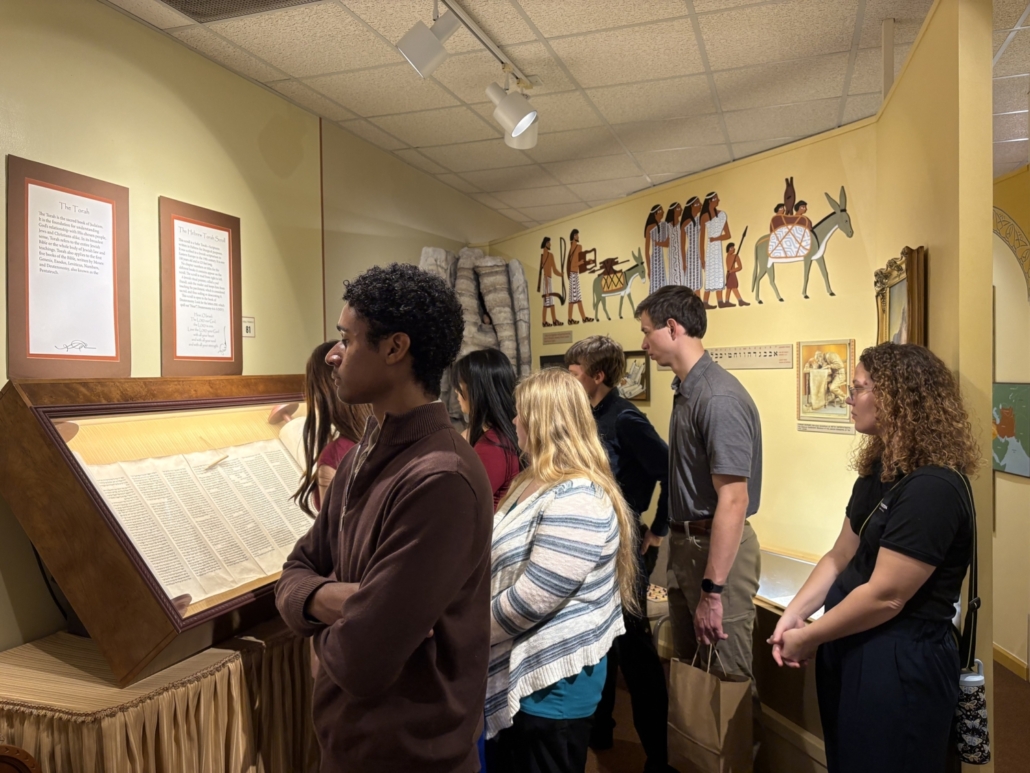
This past Tuesday, the Living Education-Charlotte students, accompanied by faculty, the Johnson family, and Mr. Adam West, visited the JAARS facility in Waxhaw, North Carolina. JAARS—which stands for Jungle Aviation And Relay Service—is a Christian organization that facilitates large-scale translation efforts of the Bible into many endangered languages.
Arriving in the morning, the group received an introductory talk by JAARS employees on the history of the organization, its formation and early development, and what they do now. Splitting into two groups, they toured part of the grounds. The facilities house aircraft in hangars, boats, dirt bikes, and other transports used in various regions.
JAARS not only sponsors translation of the Bible into indigenous languages, but also helps train translators and volunteers to learn these languages, as well as providing resources and bringing Bibles to locations around the world. Their efforts to help spread God’s word over the years have resulted in many people around the world being able to read the Bible in their own language. After a pre-packed lunch, the students regrouped and headed back to the office, having learned more not only about local history but also a broader view of what is occurring in the Christian world today.
David Markopoulos is a Living Education alumnus from the 2023-2025 school years. Originally hailing from Chicago, he currently works for the Living Education program.
https://www.lcgeducation.org/wp-content/uploads/2026/03/IMG_7340-X4.jpg15001125David Markopouloshttps://www.lcgeducation.org/wp-content/uploads/2021/02/logo_basic-website-300x94.pngDavid Markopoulos2026-03-16 14:08:462026-03-16 14:13:30A Visit to JAARS